
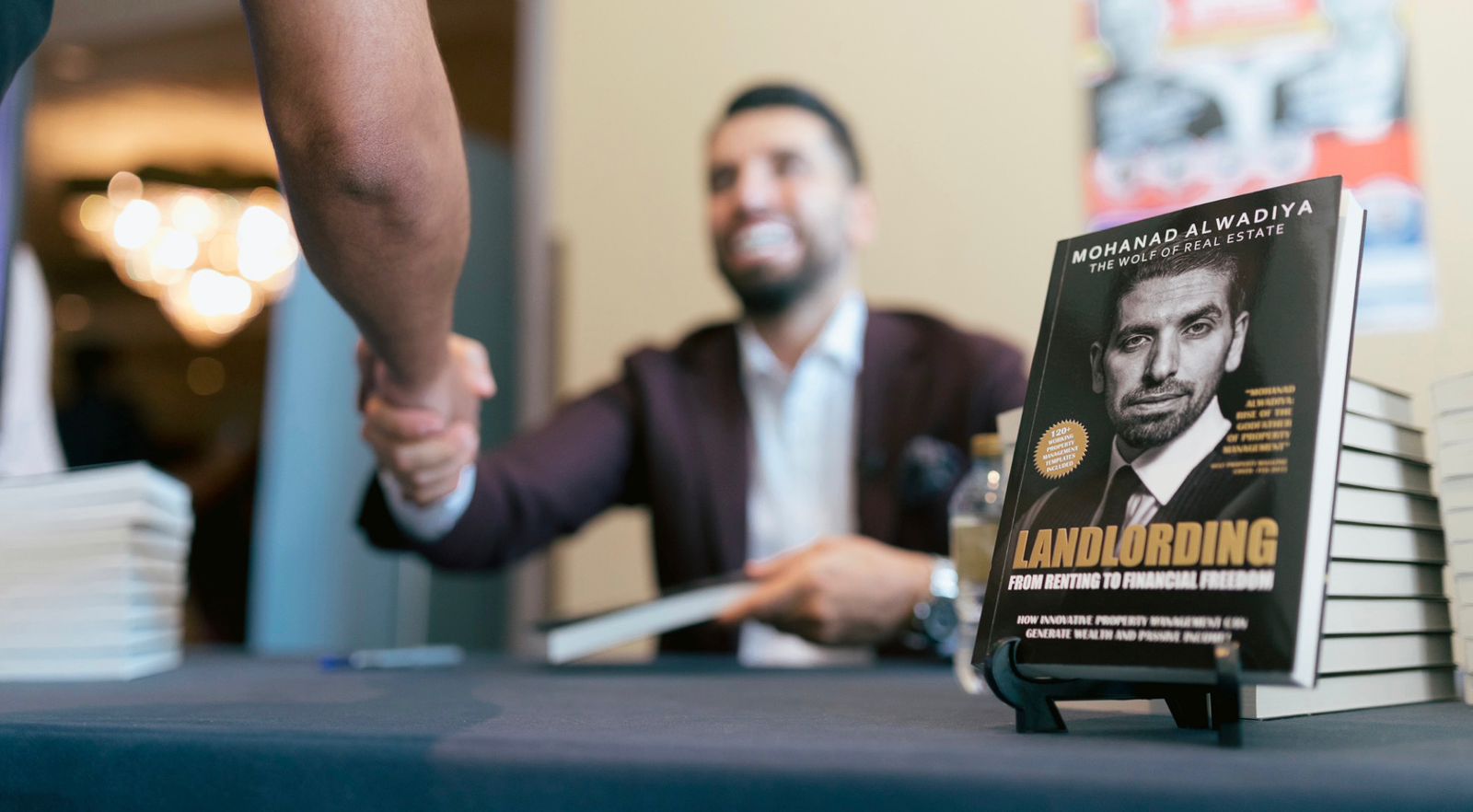
By Dr. Mohanad Alwadiya, CEO of Harbor Real Estate
Real estate has always been more than a measure of prices and transactions. At its core, it reflects how people choose to live, invest, and plan for the future. Markets rise and mature, cities evolve, and cycles come and go, but the principles that underpin successful property ownership remain remarkably consistent.
Dubai’s real estate market offered a compelling illustration of this in 2025. With total transactions approaching AED 917 billion, the scale of activity was notable. Yet what mattered more than the number itself was what it represented: a market increasingly shaped by long-term participation, income-producing assets, and owners who view property as part of a broader wealth strategy rather than a short-term trade.
It is within this context that the concept of landlording becomes relevant not as a trend, but as a disciplined approach to ownership that has quietly underpinned some of the most resilient real estate portfolios across cycles and markets.
Ownership Beyond Acquisition
The value of real estate is rarely realised at the moment of purchase. It accrues over time, shaped by decisions that extend well beyond acquisition: how a property is positioned in the rental market, how income is structured, how risk is managed, and how the asset adapts to changing economic conditions. Over the past 25 years, combining academic grounding with practical experience, I have been directly involved in the development, management, and oversight of income-producing real estate portfolios with a cumulative value exceeding AED 19.2 Billion.
Across market cycles, asset classes, and shifting investor sentiment, one principle has remained consistent: wealth in real estate is created through performance, not ownership alone.
Real estate is not a static holding. It is an operating asset.
The Landlord’s Perspective
Landlording, in its truest sense, is not defined by scale or speed. It is defined by perspective.
A landlord evaluates property through the lens of durability rather than momentum. The emphasis shifts from short-term price movements to long-term income stability, capital preservation, and adaptability across cycles.
This perspective values clarity over urgency and consistency over volume. In 2025, as Dubai’s market demonstrated both depth and resilience, this approach proved particularly relevant. Assets aligned with genuine end-user demand and managed with discipline consistently outperformed those driven primarily by short-term expectations.
Management as a Strategic Advantage
As markets mature, management becomes a decisive variable. Operational discipline, tenant selection, maintenance planning, financial oversight, legal compliance, and long-term asset positioning plays a critical role in determining outcomes. Well-managed properties tend to exhibit lower volatility, stronger income continuity, and more reliable capital appreciation.
This reality is often understated, yet it is observable across markets and cycles. Ownership without management is incomplete; management without strategy is inefficient. Landlording exists at the intersection of both. This transition is rarely dramatic. It is gradual, cumulative, and built on patience rather than acceleration.
From Experience to Framework
These observations form the foundation of Landlording: From Renting to Financial Freedom, a work that reflects both practical experience and academic discipline. The book does not seek to forecast markets or promote shortterm opportunity; it seeks to articulate a structured tried and tested approach to owning, managing and growing income-producing property with clarity and intent.
Its continued readership, approaching 90,000 copies annually, suggests a sustained appetite for depth, perspective, and long-term thinking in a field often dominated by immediacy.
A Closing Reflection
Strong market performance often captures attention, but lasting wealth is built away from headlines. It is shaped by decisions made after acquisition, by patience exercised through cycles, and by the discipline to treat property as an operating asset rather than a static holding.
Dubai’s 2025 results served as a reminder that real estate increasingly rewards clarity over speed and stewardship over speculation. Assets that were thoughtfully selected, professionally managed, and held with intention demonstrated resilience not by reacting to the market, but by working steadily within it.
Landlording, in this sense, is neither passive nor transactional. It is a long-term commitment to understanding what one owns and why. When practiced well, it transforms property from something that demands attention into something that quietly delivers value.
And it is in this quiet consistency, rather than dramatic gains, that real estate fulfils its most enduring promise.
About the Author
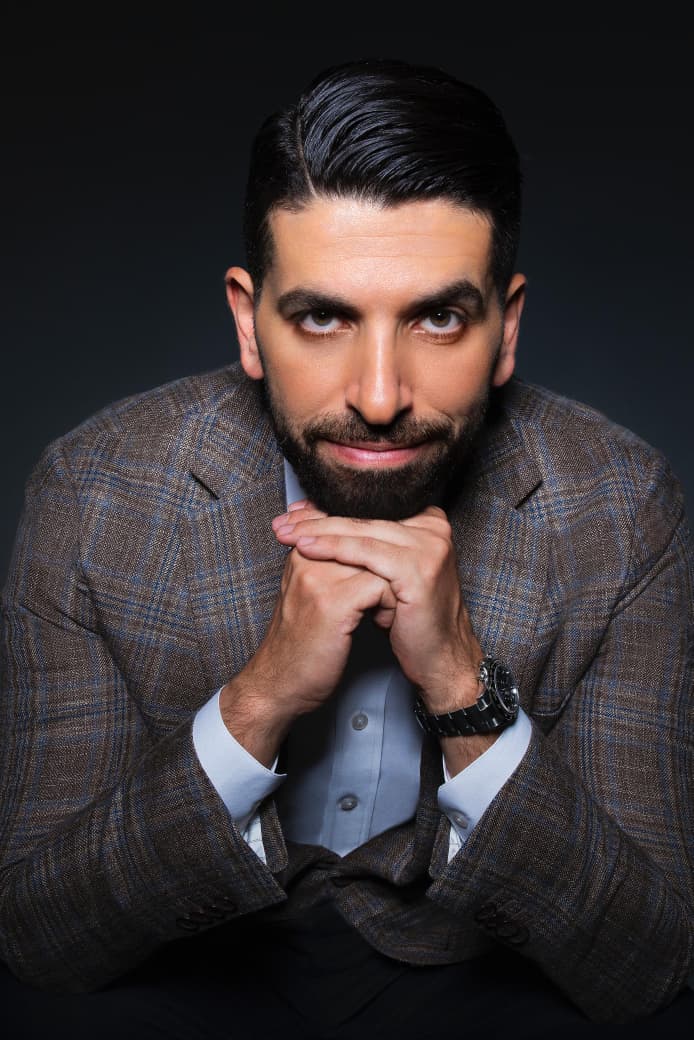
Dr. Mohanad Alwadiya
Dr. Mohanad Alwadiya is one of the most celebrated real estate professionals in the region, a recognised thought leader, educator, and best-selling author of real estate and investment books. He holds two master’s degrees and a doctorate, all specialising in real estate disciplines.
He is the CEO of Harbor Real Estate and a prominent TV, radio, and social media personality, widely known for his insights on property markets, investment strategy, and long-term wealth creation.
Over more than 25 years, he has been closely involved in the development and growth of multi-billion-dirham income-producing real estate portfolios.