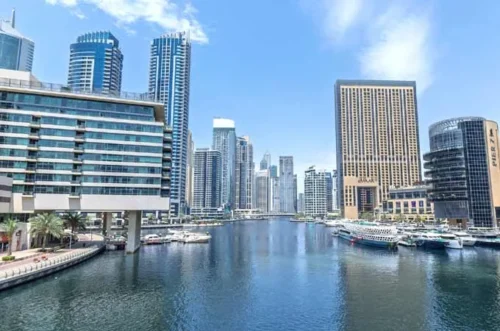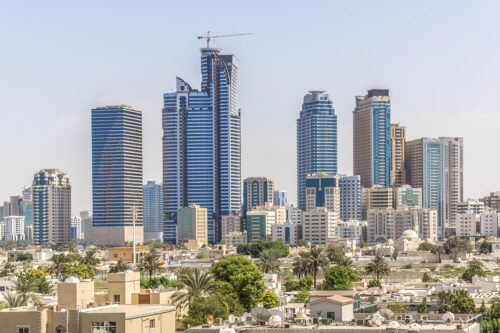

Abu Dhabi demonstrates notable resilience with positive year-on-year growth in both total sales transactions and new lease registrations
- Dubai delivers approximately 7,600 units in Q2 2026, bringing total stock to around 903,900 units
- Targeted government interventions expected to enhance market stability, while developers eye strategic brand partnerships to attract investors
The UAE’s residential sector is undergoing a recalibration, with both sales prices and rental rates showing simultaneous moderation in the second quarter of 2026 after a period of high growth, according to the latest Living Market Dynamics report from JLL. The report attributes the softening of both metrics to a combination of cooling demand and increasing supply as the market navigated heightened uncertainty tied to the regional conflict in late February this year.
The second quarter also marked a pivotal shift in government approach, with targeted policy interventions, such as the ‘rental freeze’ in Abu Dhabi, reshaping rental market dynamics, and helping to cushion affordability pressures and support occupier retention, reflecting a broader long-term commitment to market stability. A key financial reform also saw several UAE banks begin extending early-stage mortgage financing for off-plan properties prior to handover. While still a limited offering, this initiative could broaden the buyer pool and support the off-plan segment, which continues to dominate UAE’s residential sales transactions.
Mouhammad Takieddin, JLL’s Regional Head and CEO of Middle East and Africa, said: “The UAE’s residential sector is demonstrating a clear and mature shift, moving from a phase of accelerated growth to a greater focus on stability and long-term value. This evolution aligns with the nation’s broader economic vision and is strongly supported by targeted interventions aimed at enhancing stability and reinforcing confidence amid regional uncertainty. For savvy investors and occupiers, this evolving landscape creates distinct opportunities. Combined with the UAE’s strong economic fundamentals, the market remains robust and well-positioned for continued growth.”
Divergent sales market
The UAE’s residential sales market presented a divergent picture in Q2. The secondary market in Abu Dhabi experienced declines of approximately 18.1% in total transactions. In contrast, total sales transactions saw positive year-on-year growth, driven by robust off-plan market activity. This resilience was reflected in strong double-digit annual price increases for key segments like apartments (+19.4%) and townhouses (+11.2%). On quarterly basis, townhouses maintained momentum with approximately 6.0% price growth, while prices dropped for both apartments and villas during the same period.
Dubai, which recorded a total sales value of AED 87.9 billion, saw transaction volumes decline by 28.6% year-over-year, reflecting ongoing market adjustment. The cooling was most pronounced in the secondary market, where transaction volumes fell by approximately 41.8% compared to the previous year. While annual price growth in Dubai remained positive in the 2-6% range, led by a strong performance in the villa segment, a quarter-on-quarter analysis confirms a gradual slowdown, with prices declining by 2-3%, and apartments recording the highest drops.
Policy interventions to support rental affordability
The UAE rental market demonstrated areas of resilience in the second quarter, with new lease registrations in Abu Dhabi showing strong annual growth of 6.5% and accelerating by 9.9% in the first half comparison. This momentum was reinforced by average rental rates climbing with growth ranging from 7.6% to 26.3% annually across all property types, with townhouses leading the increases. That said, this resilience comes amid a broader market softening, as Abu Dhabi’s total registrations declined by 6.1% year-over-year due to a drop in total renewals.
In Dubai, while total registrations saw a modest 1.1% annual increase, contractions in both new and renewed contracts led to a sharper 8.2% quarter-on-quarter decline, signalling weakening momentum. Average rents across the emirate’s various property segments also posted quarterly declines of 4 to 6.5%.
Government interventions accelerated in Q2, with Abu Dhabi freezing rental increases in June and Dubai launching its Flexi Rent initiative, allowing tenants to pay in monthly or quarterly instalments rather than lump-sum annual cheques with selected developers. These frameworks aim to enhance rental affordability and ease tenant financial burden while improving landlord cash flow predictability.
Significant upcoming supply prompts strategy shift
A significant volume of new residential supply is expected in the second half of 2026, with approximately 40,000 units scheduled for completion across Dubai (28,300) and Abu Dhabi (11,700). In response to this upcoming supply amid a backdrop of cooling demand, developers are exercising greater caution on new project launches, shifting their focus to completing existing projects and maintaining quality.
To capture investor attention in this competitive marketplace, developers are adopting differentiation strategies, forging partnerships with prestigious international brands as a key approach to elevate brand perception and command premium positioning.
About JLL
JLL (NYSE: JLL) is a leading global commercial real estate services and investment management company with annual revenue of $26.1 billion, operations in over 80 countries and a global workforce of more than 113,000 as of December 31, 2025. For over 200 years, clients have trusted JLL, a Fortune 500® company, to help them confidently buy, build, occupy, manage and invest across a variety of industries and property types, including office, industrial, hotel, multi-family, retail and data centre properties. Driven by our purpose to shape the future of real estate for a better world, we help our clients, people and communities SEE A BRIGHTER WAY. Powered by rich global datasets and leading technology capabilities, we provide coordinated, end-to-end delivery of real estate services for a broad range of global clients who represent a wide variety of industries. Through LaSalle Investment Management, we invest for clients on a global basis in both private assets and publicly traded real estate securities.
About JLL MEA
Across the Middle East and Africa (MEA) JLL is a leading player in the real estate and hospitality services markets. The firm has worked in 35 countries across the region and employs over 1800 internationally qualified professionals across its offices in Dubai, Abu Dhabi, Riyadh, Jeddah, Al Khobar, Cairo, Casablanca, Cape Town, Johannesburg and Nairobi.
News Source:
zawya.com