Leaders share their views on Dubai’s real estate market through 2029
Editorial Report | Tariq Ramadan – Editor in Chief – Developers News Magazine (DNM)
Dubai’s property market is entering a new phase. After several years of exceptional transaction growth, price appreciation and project launches, the market is moving toward measured growth, greater selectivity and a closer alignment between supply and underlying demand.
This three-year outlook, supported by market data from reliable industry sources including DNM’s strategic research partners REIDIN, together with insights from leading market leaders, examines the forces likely to shape Dubai real estate through 2028.
The immediate data points to moderation rather than contraction. REIDIN recorded AED87.94 billion in residential sales across 36,620 transactions in Q2 2026, representing quarterly declines of 36% in value and 19% in volume. Yet June prices remained 1.2% higher year-on-year for apartments and 5.7% higher for villas.
July provided an early sign of stabilization. Residential transactions increased 2% month-on-month, while transaction value rose around 3%, although activity remained below the exceptional levels of 2025.
Price Resilience: A Defining Characteristic
Perhaps the most important feature of the current market is that prices have remained comparatively resilient despite falling transaction activity.
REIDIN reported that Dubai’s residential sales price index declined only 0.65% month-on-month in July while remaining 0.55% higher year-on-year.
Another DLD-based index recorded a July residential price decline of 2.6% year-on-year, illustrating differences between methodologies, but both datasets point toward moderation rather than a dramatic price correction.
This resilience suggests that the current adjustment is being driven more by transaction volumes and buyer caution than by a broad-based collapse in property values.
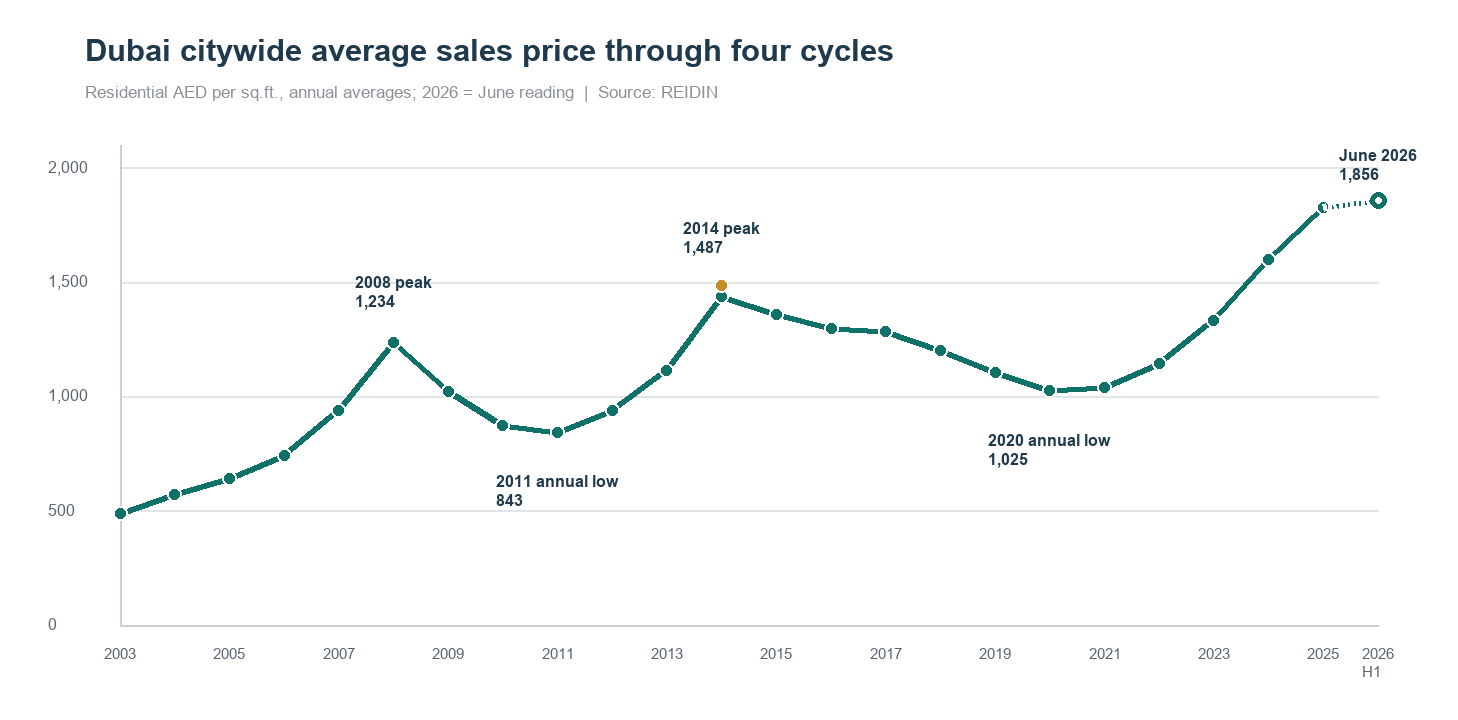
Figure 1. Citywide average residential sales price, 2003 to H1 2026. The long-cycle annotations are retained and the 2026 endpoint is updated.
A Market at an Inflection Point
The July figures are particularly significant because they suggest that the market may be moving beyond its recent “wait-and-see” phase.
The improvement remains modest, but it follows a period of substantially weaker activity. The more important statistic is that the monthly recovery occurred while annual comparisons remained challenging: July transaction volumes were 32% below July 2025, while total transaction value was 49% lower year-on-year.
REIDIN’s H1 data also shows the scale of the adjustment. Total residential sales value reached AED225.7 billion in H1 2026, down 16% year-on-year, with off-plan transactions accounting for AED168.2 billion.
The evidence therefore points to a market undergoing rebalancing rather than a fundamental breakdown.
The Long-Term Demand Engine: D33
Dubai’s property market cannot be separated from the emirate’s broader economic transformation.
The Dubai Economic Agenda D33 aims to double the size of Dubai’s economy over the coming decade while strengthening its position as a global business, investment, technology and trade hub.
For real estate, the implications are substantial. Economic expansion generates companies, employment, entrepreneurs, international talent and investment – all of which create demand for residential, commercial and mixed-use property.
This provides a fundamentally different source of demand from short-term speculation: economic growth creates recurring end-user and occupier demand.
Dubai 2040: Population Growth Supports Housing Demand
Population growth is arguably one of the strongest structural indicators for the property market.
Dubai’s population reached approximately 4.74 million by the end of July 2026, an increase of around 156,000–157,000 residents since the beginning of the year, equivalent to growth of approximately 3.4%.
The longer-term target is even more significant.
Dubai’s 2040 Urban Master Plan projects the resident population rising from 3.3 million in 2020 to 5.8 million by 2040. Daytime population is projected to rise from 4.5 million to 7.8 million.
The implications are substantial. Reaching 5.8 million residents would mean accommodating roughly 2.5 million additional residents compared with the 2020 baseline.
This creates long-term demand not only for housing, but also for schools, healthcare, offices, retail, hospitality, leisure and community infrastructure.
The property market therefore benefits from a structural demand base that extends well beyond investment transactions.
Demand Remains Broad-Based
While Dubai’s luxury market continues to attract international capital, the three-year outlook should not be defined by luxury property.
The larger opportunity lies in mid-market and mid-high-end residential developments, particularly those combining affordability, quality, location and lifestyle.
REIDIN data illustrates the importance of apartments to the wider market. In Q2, apartment transaction values declined 23.8% quarter-on-quarter, compared with a much sharper 51.1% decline for villas.
July also demonstrated stronger apartment activity, with apartment transactions rising 5% month-on-month, while villa and townhouse transactions declined 12%.
These figures reinforce the importance of correctly positioned, accessible residential products as Dubai’s population continues to expand.
Quality Still Matters – But Value Matters More
The rapid sell-out of Imtiaz Developments’ projects, including Raw District, demonstrates that demand remains available for projects offering the right combination of location, quality, pricing and lifestyle. This is increasingly becoming the defining characteristic of the market. Buyers have not necessarily disappeared; they have become more selective.
The next cycle is therefore likely to favour projects that provide genuine value rather than simply relying on market momentum.
Supply: The Missing Piece of the Equation
Supply represents the greatest uncertainty in Dubai’s three-year outlook.
REIDIN recorded 141 residential project launches comprising 50,935 units during H1 2026. However, launch activity slowed sharply in July, when only 15 projects comprising 3,397 units were launched. Apartments accounted for 96.2% of July’s new units. The reduction in new launches is important because today’s launches determine tomorrow’s supply.
Regional tensions and disruption to construction-material supply chains have also increased costs and delivery uncertainty. Developers that have launched projects but not yet commenced construction may therefore extend timelines while waiting for greater cost stability. This could spread anticipated 2027–2028 deliveries over a longer period, reducing the risk of a sudden concentration of supply.
2026–2028: Three Years of Rebalancing
2026: Stabilization and Selectivity
The remainder of 2026 is likely to be characterized by cautious investment decisions, with buyers assessing geopolitical conditions, prices and future supply.
The July 2% increase in transactions and 3% rise in transaction value provide an early indication of stabilization.
2027: Demand Meets Supply
2027 could become the most important year for the supply equation.
Project completions and delayed construction could increase available inventory, placing localized pressure on prices and rents in areas experiencing concentrated handovers. However, reduced launches in 2026 could moderate the volume of new inventory entering the pipeline.
2028: A More Mature Market
By 2028, Dubai could have moved into a more balanced market in which growth is increasingly linked to population, employment, economic expansion and genuine end-user demand rather than speculative momentum. The result is likely to be slower growth – but potentially healthier and more sustainable growth.
The New Definition of Value
Over the next three years, buyers are likely to place greater emphasis on:
- Location and connectivity
- Affordability
- Quality and design
- Developer track record
- Delivery performance
- Lifestyle and community infrastructure
- Technology and efficiency
- Rental and resale potential
- Long-term value
The market is moving from a period in which momentum could lift a broad range of projects toward one where fundamentals determine performance.
Conclusion: Dubai’s Next Property Cycle
Dubai’s next property cycle could ultimately be defined by one fundamental shift:
From rapid expansion to sustainable growth.
The market is becoming more selective, and that is likely to benefit both investors and end-users.
For developers, success will increasingly depend on delivering the right product at the right price and in the right location.
For investors, the focus will shift from short-term appreciation toward fundamentals, liquidity, rental potential and long-term value.
And for Dubai, the property market will remain closely connected to the emirate’s broader economic and demographic transformation.
With the population already approaching 4.75 million, a long-term target of 5.8 million residents, D33 driving economic expansion and new supply becoming more measured, the fundamental demand equation remains strong.
Dubai is not running out of growth. It is growing into a more mature property market – one where resilience, quality and sustainable demand are likely to define the next three years.
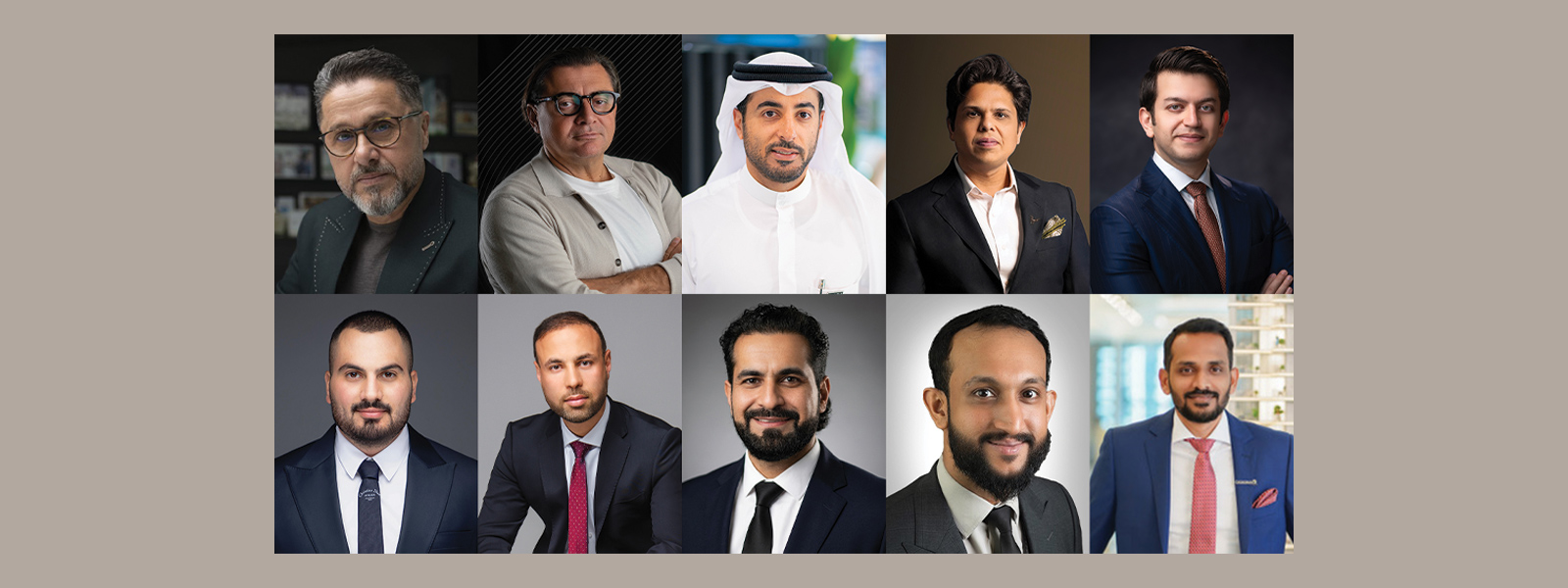
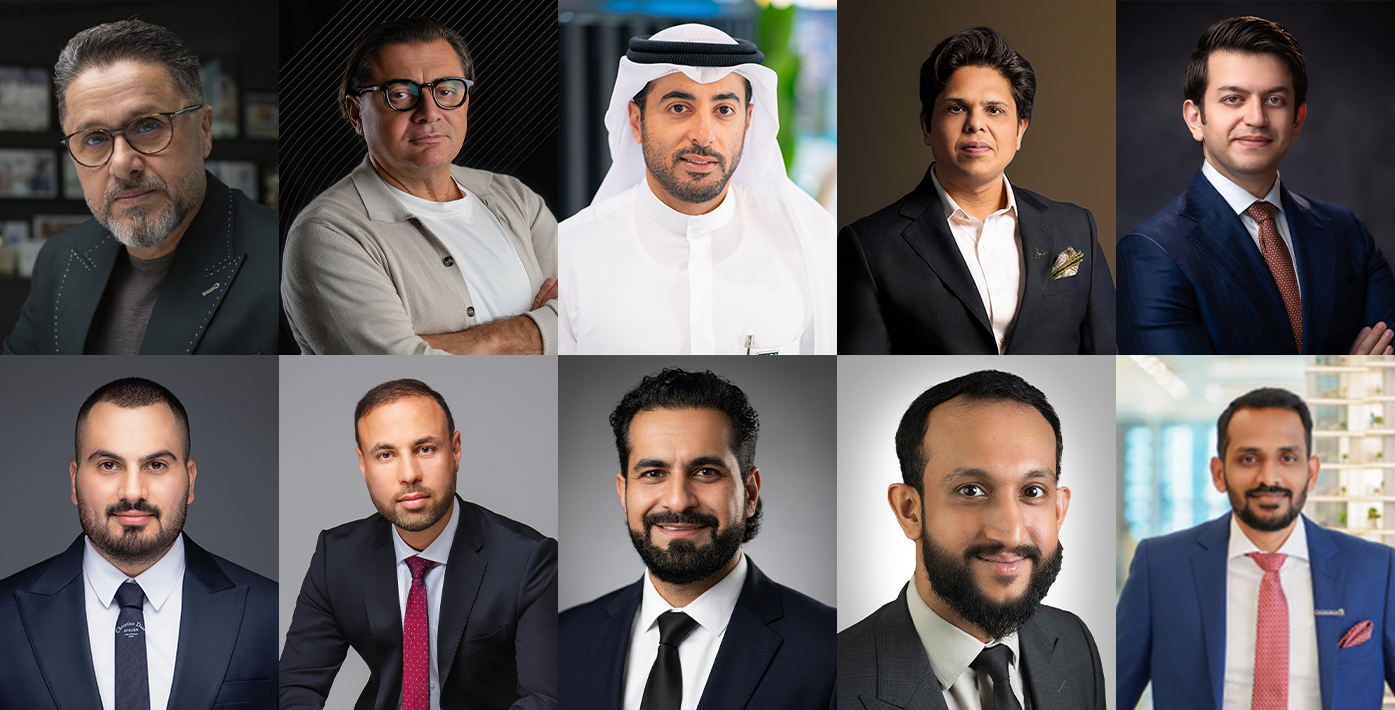
Against this backdrop, leading real estate development executives and market experts share their outlook on where Dubai’s property market is heading.
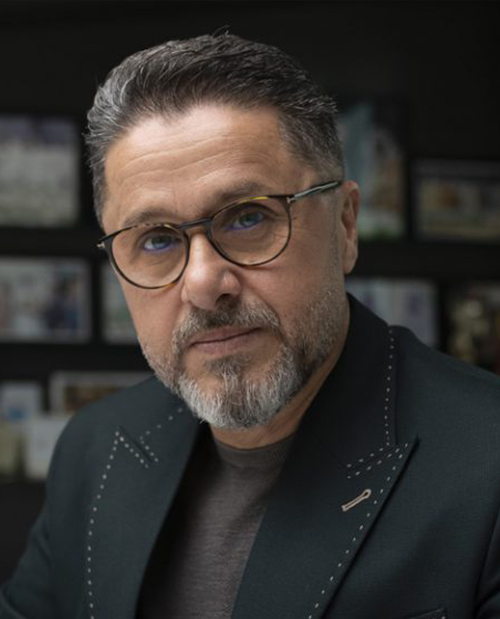
A Market Shaped by the Future
Mr. Faris Saeed,
Founder and Chairman, SEE Holding“Dubai has always been a city that anticipates and actively shapes the future rather than responds to it. Over the years, the property market will increasingly reflect a stronger focus on efficiency, technology and long-term liveability. As supply matures, value will increasingly be defined by quality of life, walkability, wellbeing, longevity, efficiency, and the seamless integration of technology and AI. This direction is already evident in Dubai’s ambitious urban vision and forward-looking initiatives. Real estate will respond through more adaptive, human-centric design, communities that use resources intelligently, enhance everyday life, and remain resilient over time. These priorities will increasingly influence how projects are planned, designed and delivered across locally, and globally”

Differentiation Will Define the Winners
Mr. Andrea Nucera,
Group Managing Director, Reportage Group
“I believe the next phase of Dubai’s real estate market will be defined less by overall market direction and more by differentiation. A large delivery pipeline does not necessarily mean a weak market; it means buyers will become more selective. Projects with the right location, competitive pricing, strong developers and a clear value proposition will continue to perform, while weaker or overpriced projects may face pressure. Dubai’s population growth, international capital inflows and expanding role as a global business hub continue to create real underlying demand. Therefore, rather than expecting a broad correction, I see a period of normalization in which quality, affordability and execution will determine the winners.”
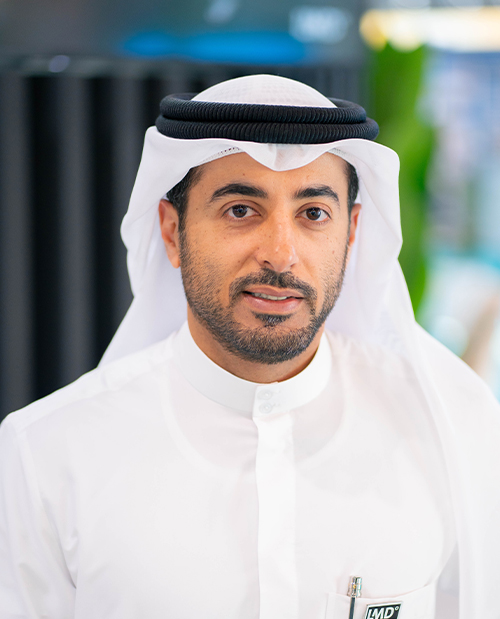
Quality, Location and Long-Term Relevance
Mr. Hamad Al Abbar,
Managing Partner at LMD Development
“Dubai’s property market is moving into a more mature stage, and over the next three years we expect buyers to become increasingly selective as new supply comes to market. That will place greater emphasis on location, product quality and developments that respond to how people want to live. At LMD, we see this first-hand in the importance of selecting the right locations and creating projects with long-term relevance. Previous cycles have shown the importance of understanding real demand, and while regional events may affect sentiment in the short term, Dubai’s population growth, international investment and diversified economy continue to support a positive long-term outlook.”
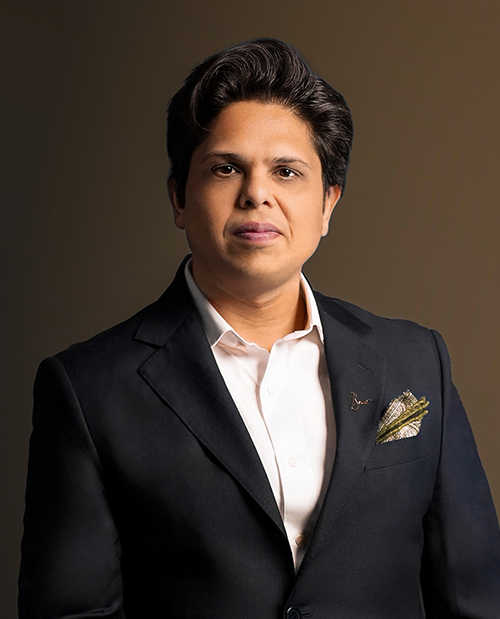
A More Disciplined Market
Dr. (CA) Ankur Aggarwal,
Chairman and Founder, BNW Developments
“Looking at Dubai’s past cycles, corrections have historically followed periods of unchecked speculative supply, not genuine demand erosion. That’s not what we are seeing today. Pre-conflict demand fundamentals, including population growth, investor confidence, and end-user absorption, remain firmly intact and, in many segments, are strengthening. Over the next three years, we anticipate measured, sustainable appreciation rather than the sharp volatility of previous cycles, as developers have adopted more disciplined, phased delivery models. Supply is finally catching up to demand in a structured way, which should support price stability and reward long-term investors over speculative short-term players”.
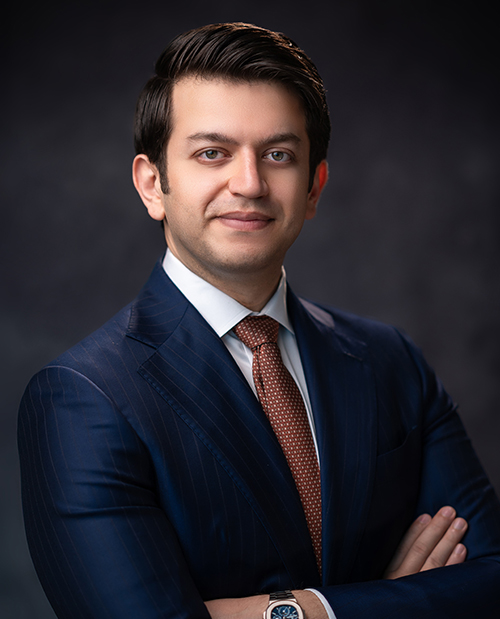
Normalisation Rather Than Contraction
Mr. Masih Imtiaz,
CEO, Imtiaz Developments
“Dubai’s property market is entering a phase of healthy normalisation rather than contraction. Over the next three years, we expect sustainable growth to be driven by population expansion, international wealth migration, economic diversification and continued end-user demand. The strong market response to RAW District has further reinforced our confidence that buyers are increasingly responding to well-conceived, design-led communities with a clear identity and long-term value proposition. While new supply will moderate price growth in certain segments, demand should remain resilient. We believe quality, delivery, location and differentiation will increasingly determine performance as Dubai’s real estate market continues to mature.”
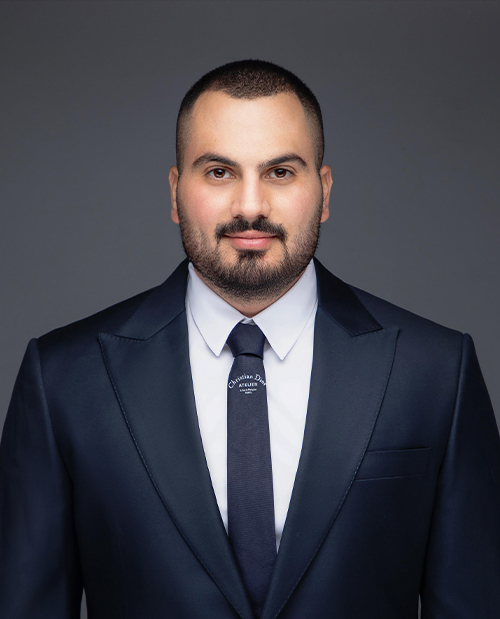
Stronger Fundamentals Than Previous Cycles
Mr. Mohammed Al Sheikh,
CEO and Partner of JAD Global Development
“I’m very positive about Dubai’s property market over the next three years. We may see the pace of growth become more measured as new supply comes to market, but demand remains strong. Dubai’s population has grown to more than 4.5 million, and over 129,000 new investors entered the property market last year alone. What is also encouraging is how different today’s market is from previous cycles. In 2008, 25% of homes were resold within a year. In 2025, that figure was just 4%. Dubai is still attracting people, businesses and investment from around the world, and that gives the market a very solid foundation.”
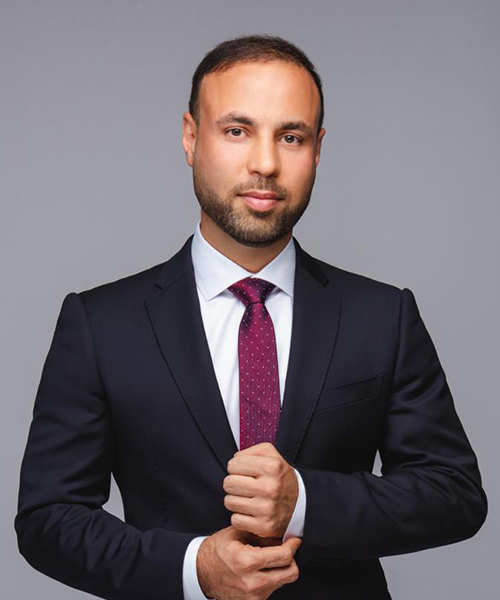
Resilience Across Market Cycles
Mr. Farhad Azizi,
Group CEO of Azizi Group
“Our outlook for Dubai over the next three years and beyond is confident and grounded. The past few months have reaffirmed what we have long known: this is a market defined by unparalleled resilience. The softening due to regional uncertainties was concentrated in speculative and ultra-luxury stock, while quality, well-located ready, mid-market homes held firm and end-user confidence continues to underpin the market. We have seen this firsthand, having been the city’s top-selling developer over the past three months. Past cycles have taught us that Dubai’s fundamentals hold through every phase and remain as compelling as ever: the safety and stability of the UAE, a now-mature pro-investment tax-free environment, world-class infrastructure, and an opportunity-rich landscape few cities can match. We expect measured, sustainable growth ahead.”
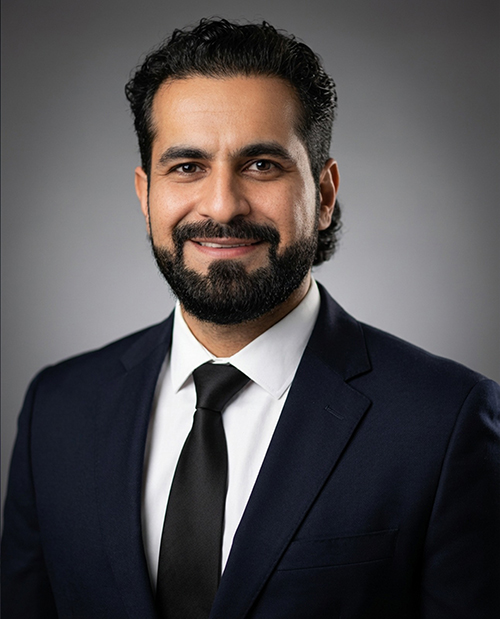
Buyers Becoming More Discerning
Mr. Naresh Perwani,
Founder & Chairman, Neoterra Developments
“We remain positive on Dubai’s property market over the next three years. Continued population growth, international investment, economic diversification and Dubai’s position as a global lifestyle and business hub should continue to support underlying demand. At the same time, we expect the market to become increasingly selective. Buyers are looking beyond just the headline price or amenities and placing greater importance on how a home fits into their everyday lives. Compared with previous cycles, today’s market is supported by a broader and more diversified demand base, including end-users, long-term residents and international investors. Investor sentiment remains positive, although buyers are becoming more discerning and value-conscious. We expect price and rental growth to moderate from the exceptional levels seen recently, with performance increasingly varying by location, product quality and overall value proposition. This is where we believe developers have an important role to play creating homes that are genuinely relevant to residents and can retain their appeal beyond the initial sales cycle.”
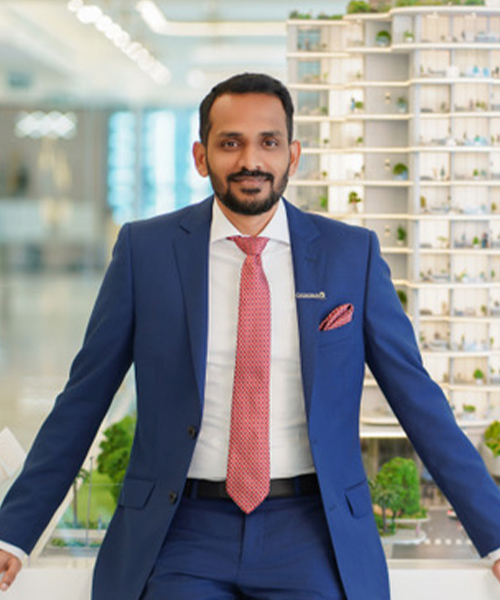
Stronger Foundations for Sustainable Growth
Mr. Luthfulla K,
Director, Casagrand Dubai
“Having seen multiple troughs and peaks over the last decade, Dubai’s property market is entering a more mature phase. Over the next three years, we expect growth to continue at a healthier and more sustainable pace. Unlike previous cycles, today’s market is supported by stronger regulations, long-term residency initiatives, infrastructure investment, and a more diversified buyer base. While new supply will continue to enter the market, demand fundamentals remain robust, particularly among end users and international investors seeking stability, lifestyle, and long-term value. We expect well-located, high-quality developments by legacy developers to continue outperforming in the broader real estate landscape.”
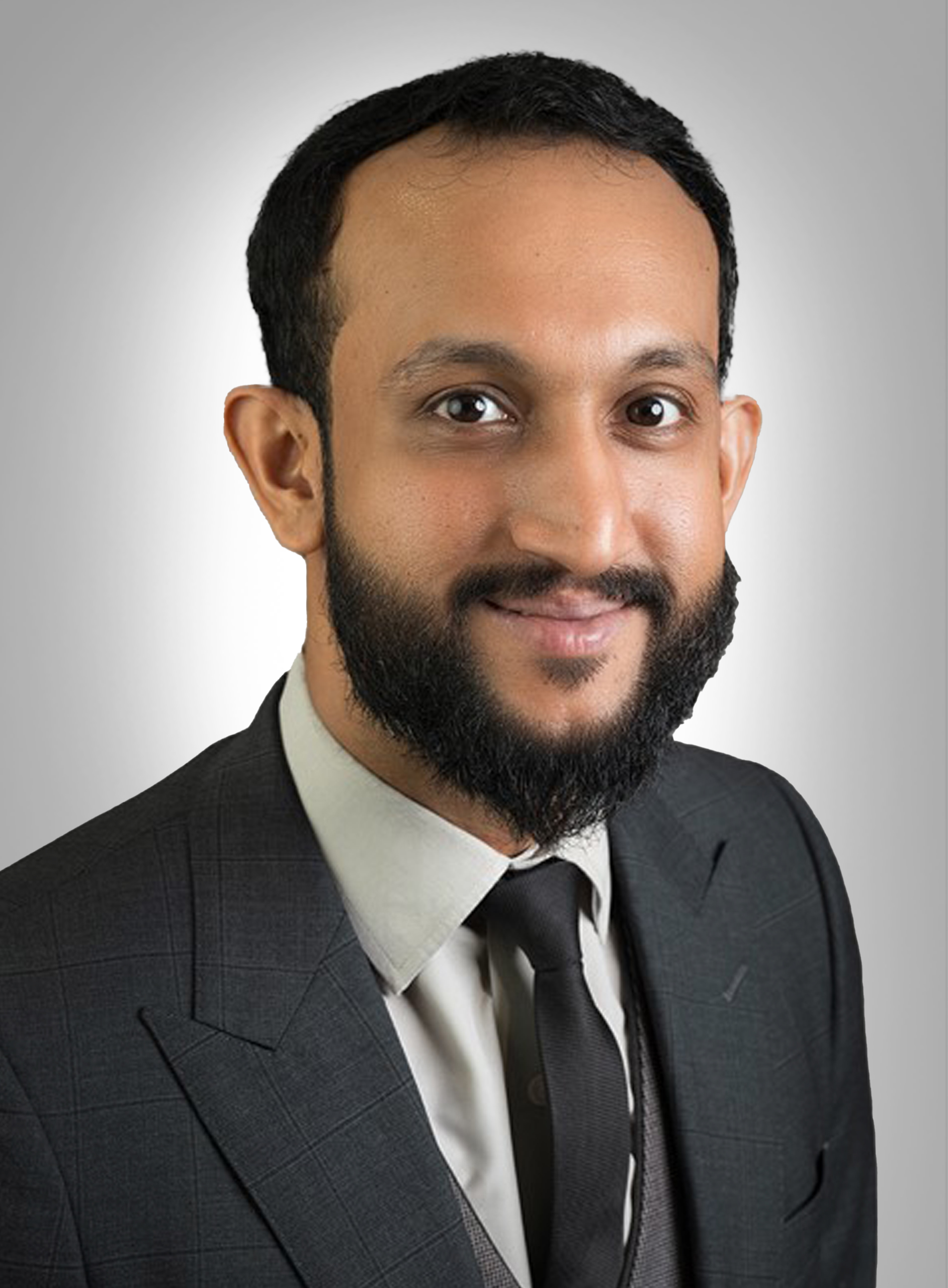
A More Balanced Market Ahead
Mr. Ali Siddiqui,
Research Manager, Cavendish Maxwell
“Dubai’s residential market is now in a more measured position following sustained price and transaction growth. Price growth began moderating in Q4 2025 with subsequent regional uncertainty contributing to greater buyer caution and longer decision timelines. In July, average prices were AED1,636 psf, up 0.7% year-on-year but double October 2020 levels. Over the next year, we expect prices to remain under modest pressure as new stock improves buyer choice, particularly in apartment-led locations. In the 3 years ahead, the substantial development pipeline should mean more balanced conditions, with performance differentiated by location, property type and project quality. We expect slower, more differentiated price growth, with new supply, underlying demand and credit conditions shaping market performance.”