Investor & End-User Confidence in Dubai Real Estate 2026
A practical, protection-first approach to decision-making, capital growth, and long-term ownership
Dubai, UAE | January 2026
Dubai’s real estate market continues to mature into a globally respected investment destination—one that is no longer driven by hype cycles, but by a clearer relationship between product quality, developer credibility, location fundamentals, and end-user demand. As an opinion leader who works daily with investors and home buyers, I believe the most important shift we must champion in 2026 is simple:
Real estate decisions must be “client-centered” before they are “deal-centered.”
In other words: the right question isn’t “What is the hottest project?”
The right question is “What is the safest and smartest choice for this buyer, this budget, this timeline, and this risk tolerance?”
This press release is written to serve two key audiences:
Investors seeking strong returns while protecting capital
End users purchasing a home and securing long-term stability
— The Investor Mindset: Protect Capital First, Then Target Returns
Many investors enter the market with one main goal: profit. That’s ot wrong. But in mature markets, the winning investors are those who treat real estate like a risk-managed asset, not a lottery ticket.
1) The “3 Filters” Rule: Don’t buy until you pass these
Before choosing any opportunity, I recommend investors apply three filters:
Filter A: Developer Strength & Delivery Record
Past delivery history matters more than marketing
Construction speed, handover quality, and post-handover service protect resale value
Ask: What has this developer delivered in the last 5–10 years?
Filter B: Demand Proof (Not Promises)
Demand means real transactions, real occupancy, real rentals
End-user appeal is the backbone of investor exit strategies
Ask: Who will rent this, and who will buy it from me later?
Filter C: Exit Clarity (Plan A + Plan B)
A strong investment must have at least two exits:
Exit A: Sell at a defined milestone (handover / post-handover stabilization)
Exit B: Hold and rent with realistic yield assumptions
Ask: If the resale market slows, am I comfortable renting this for 2–5 years?
2) Investor Tip: Build a “No-Regret” Buy Box
A professional investor always defines a buy box in advance:
Preferred communities (not too many)
Size category (studio, 1BR, 2BR) aligned with demand
Payment plan tolerance and liquidity needs
Maximum acceptable price per sq.ft (or per sq.m)
This prevents emotional buying and protects you from “deal pressure.”
3) Protecting Investment: The Hidden Costs Investors Ignore
Many losses happen not from wrong projects—but from ignored details:
Service charges that reduce net yield
Poor layouts that hurt rental demand
Weak property management
Resale restrictions and unrealistic price expectations
A good deal is not “cheap.” A good deal is liquid, rentable, and resalable.
— End Users: Buying a Home Is Buying Stability, Not a Unit
For end users, the priority is different: lifestyle stability, financial safety, and the ability to grow into the home—or exit without pain.
1) End-User Tip: Choose the “Life Fit” first
Your home should fit your life for the next 3–7 years:
Daily commute and access
Schools and healthcare proximity
Parking, storage, sunlight, noise
Building community quality
A home that matches your lifestyle stays valuable. A home that doesn’t becomes expensive regret.
2) Payment Plans: The goal is comfort, not stretching
The biggest mistake end users make is buying at the maximum limit of affordability. I advise a safer rule:
If you can’t comfortably handle 6–9 months of payments as a buffer, you’re stretched.
Dubai rewards planned ownership. The market is strong, but the buyer must remain stable.
3) Protecting End Users: Your contract is part of the property
A home is not only the unit—it’s also the contract, timeline, specifications, and handover conditions.
End users should always confirm:
Handover date expectations and developer credibility
Specification clarity (what exactly is included?)
Penalties, refund clauses, and change-of-plan conditions
DLD fees, mortgage costs, and total cash required
The smartest buyers are not rushed buyers.
Investment Strategies That Work in Dubai 2026
Based on the clients I advise, these strategies remain among the most reliable when executed with discipline:
Strategy 1: “End-User Demand First” Investment
Buy what end users actually want (not what looks fancy):
Practical layouts
Easy access
Strong community identity
This strategy protects resale and rental liquidity.
Strategy 2: “Milestone Appreciation” (Off-plan with a plan)
Buy early only when:
The developer is proven
The location is fundamentally demanded
You have a defined exit at a milestone (e.g., 60–80% construction or handover)
Strategy 3: “Portfolio Balance”
Instead of putting all capital in one unit, some investors benefit from:
Splitting capital across different risk levels
Combining a stable rental unit with a higher-growth off-plan play
Balance reduces emotional decisions and improves long-term performance.
Closing Statement
Dubai remains one of the world’s most attractive real estate markets—because it is not just a city; it’s a global platform for business, lifestyle, and capital movement. But in 2026, the winners will be those who replace noise with process, and pressure with clarity.
My message to every investor and end user is this:
Buy with numbers. Buy with a plan. Buy with protection. Because the best investment is the one you can exit confidently—and the best home is the one that makes your life easier.
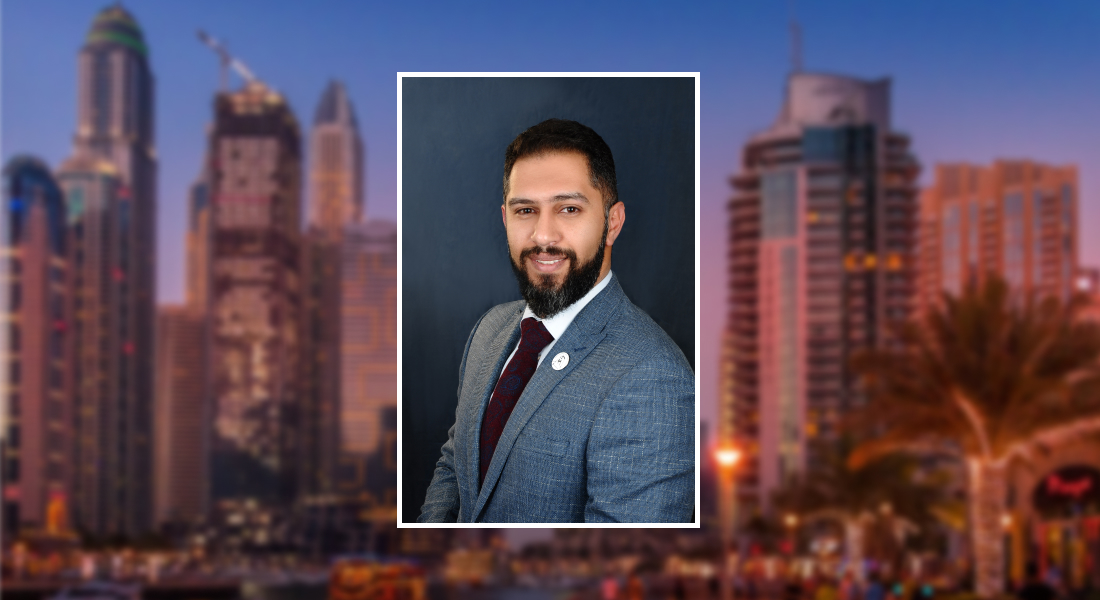
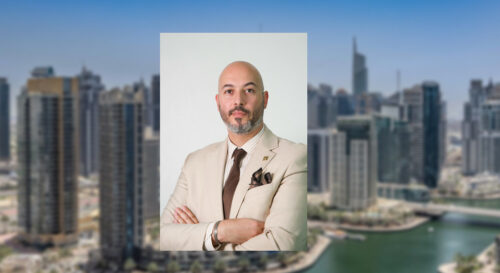
Dr. Nour El-Deen El Serougy Trainer at Innovation Experts Real Estate Institute and CEO & Co-Founder of HRE Properties.