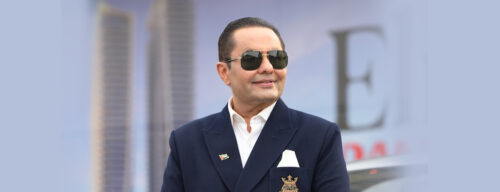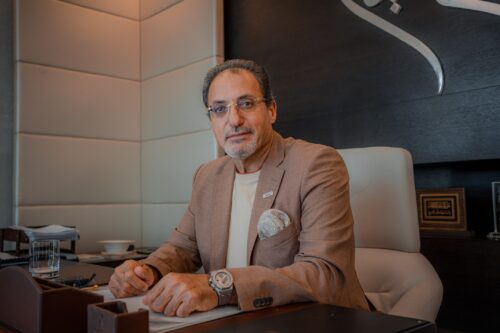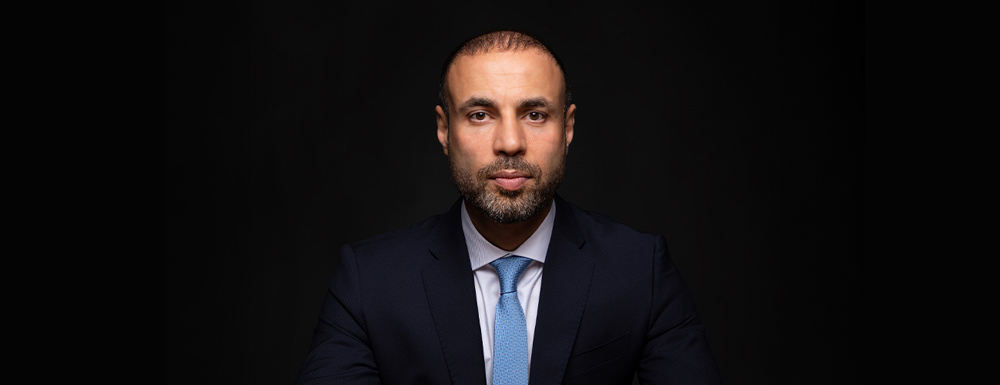
In an industry defined by ambition and larger-than-life projects, Farhad Azizi stands out for combining remarkable achievements with a down-to-earth personality and an approachable leadership style. As Group CEO of Azizi Group, he has helped drive Azizi Developments’ expansion, with more than 45,000 homes delivered and over 150,000 homes under development, including the landmark Burj Azizi. A finance and business expert with an international outlook, Farhad remains focused on customer satisfaction, quality, and innovation. Beyond business, his commitment to philanthropy reflects a belief that success carries a responsibility to create lasting value for society.
1. Building the Foundations of Azizi Group
Azizi Group has grown through multiple economic cycles and market challenges. Could you take us back to the beginning of this journey and explain how the business evolved into the diversified development group it is today?
From the very beginning, we believed that a handshake is a balance sheet of its own. Integrity and financial discipline were never values we talked about; they were simply how we operated, and ego always came last. When we entered Dubai real estate, we understood very quickly that a developer who outsources the building is not really a developer. He is a broker of promises, and you cannot build a legacy on promises someone else has to keep. So, one step at a time, we brought the entire cycle under our own roof. Our own architectural design studio designs our communities. Our own factories manufacture what goes into them, from steel, aluminium and marble to concrete, joinery, HVAC, precast, GRC and pods. Our own dedicated contracting partner builds them. Our mortgage arm helps clients finance their homes, our brokerage leases and resells them, and our facility management company looks after the communities long after handover, from maintenance and security to cleaning and lifeguards. Around that core, the Group has grown into energy, hospitality, hotel management, materials trading, transportation, travel, car rental, IT, and more. More than 45,000 homes later, delivered to families from over 100 nationalities, the principle has not changed: whoever controls the site controls the reputation.
2. Beyond Business: A Legacy of Giving Back
Successful businesses are often measured not only by what they build, but also by the impact they create for society. How has Azizi Group approached its social responsibility, and what causes are particularly important to the Group and your family?
Philanthropy was never a department in our family; it was a dinner table conversation. Today our giving spans sustainability, equality, health and education, in the UAE and beyond. Over the years, we have donated AED 3 billion to the Fathers’ Endowment and AED 600 million to the Mothers’ Endowment under the Mohammed bin Rashid Al Maktoum Global Initiatives, AED 100 million to the 1 Billion Meals initiative and AED 10 million to the Al Jalila Foundation. We have stood beside the Rashid Centre for the Determined Ones for eight consecutive years, alongside the Dubai Autism Center, the Special Needs Future Development Center and the AccessAbilities Expo. We have granted thousands of scholarships, distributed 1.5 million food and necessity parcels across the UAE, and we are proud to be pillar partner of the Dubai World Cup for the ninth consecutive year. In Afghanistan, we built 300 homes for earthquake victims and are investing USD 300 million in a cancer centre, a hospital, a dialysis centre and the country’s largest orphanage. That work matters deeply, and I believe a company’s conscience is measured just as much by how it treats the people it depends on. The men building our towers in forty-degree heat are not a line item. They are the foundation beneath the foundation. That is why we are investing in purpose-built communities for nearly 30,000 workers across Dubai and Sharjah, with five on-site medical clinics, vocational academies, gyms, landscaped courtyards and the simple dignity of choosing how they eat. A skyline is only as admirable as the way it was built.
3. Building Against the Cycle
At a time when some developers are adopting a more cautious approach to new launches, Azizi Group is moving ahead with one of its most ambitious communities. What gives you the confidence to launch at this scale, and what does this tell us about your reading of the market?
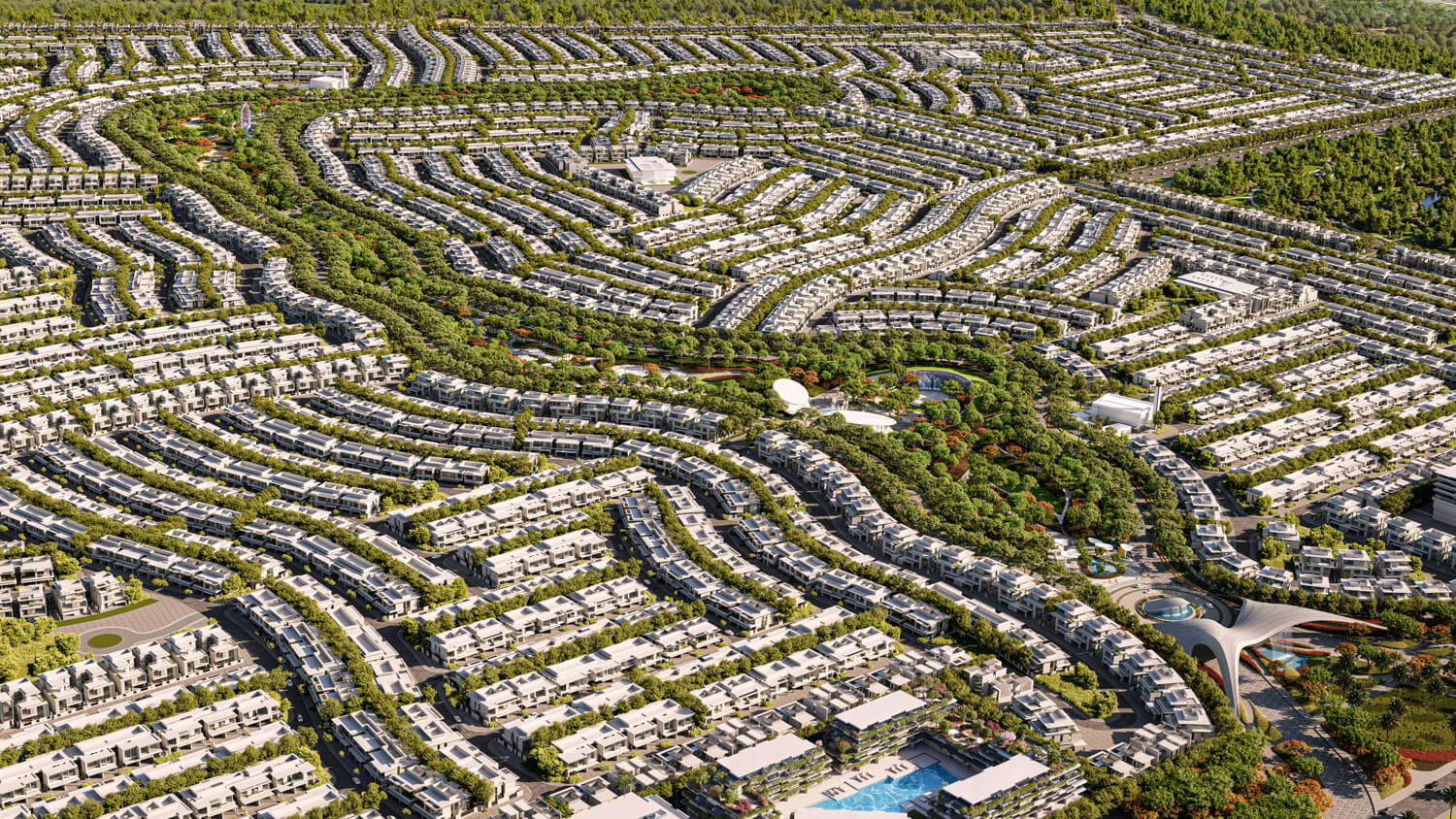
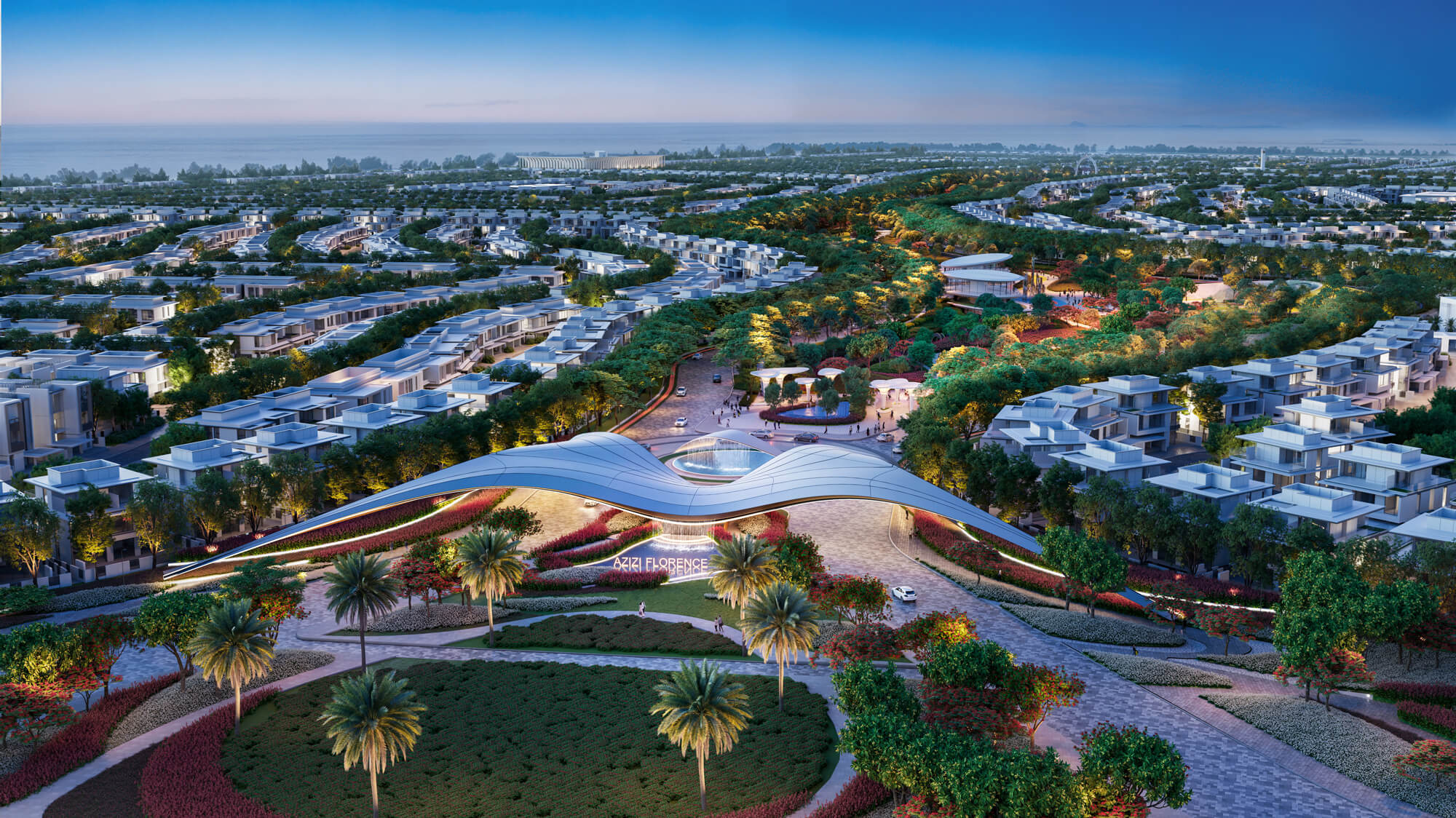
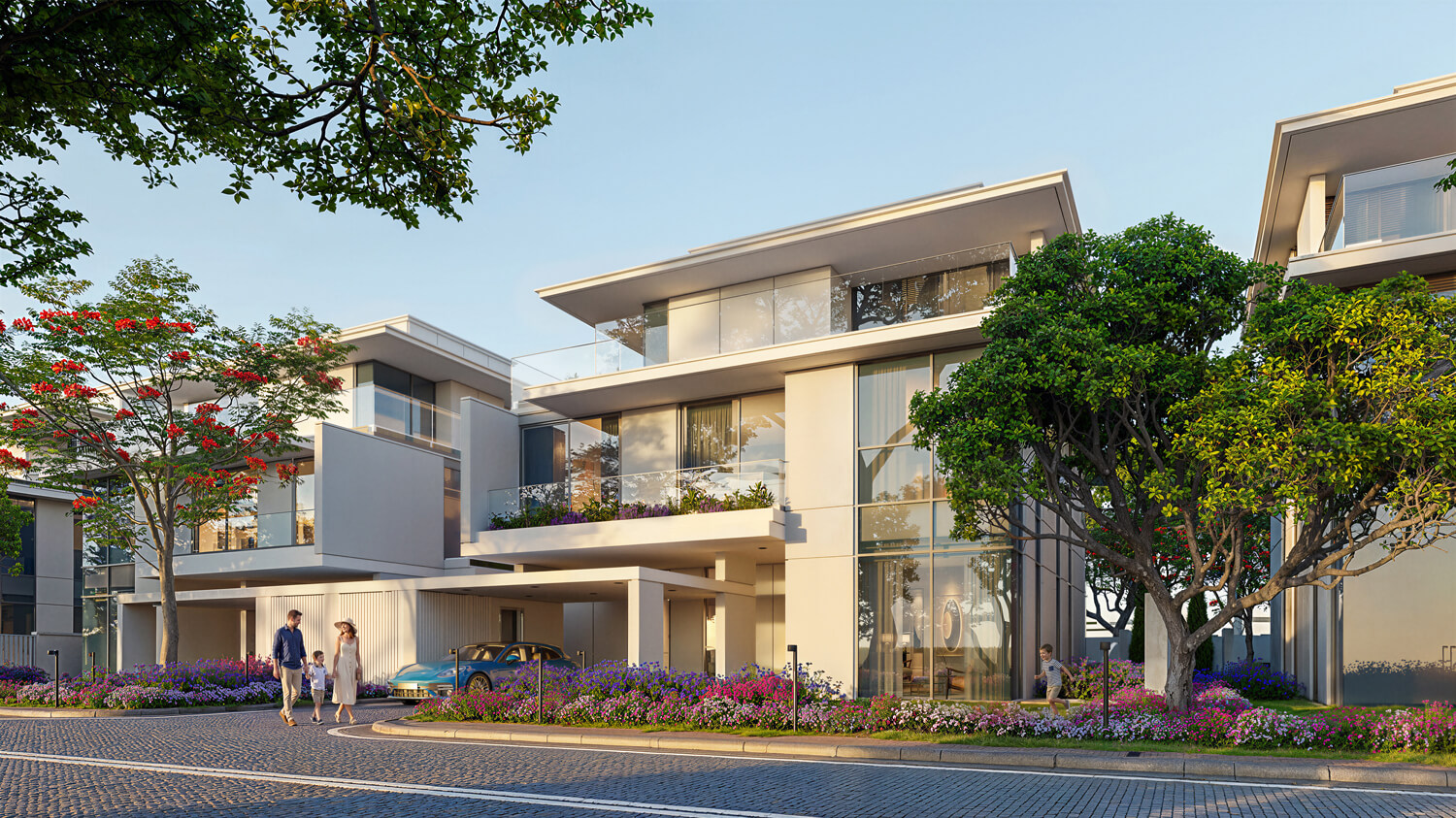
Caution is often mistaken for wisdom. In most cases, the developers who hesitate are not reading the market better than we are; they are reading their debt schedules. We run Azizi on fundamentals, not sentiment. The UAE is no longer attracting capital that visits. It is attracting capital that stays: families relocating, global businesses moving their headquarters, wealth that intends to be here for generations. Azizi Florence is our answer to that demand. It is our largest master community to date and the largest master-planned community Sharjah has seen, an AED 30 billion development spanning 30 million square feet in Umm Fannain. It will deliver more than 10,600 freehold homes, from 1,130 villas and over 6,000 townhouses to 3,500 apartments, organised into six residential clusters around a 1.7 million square foot Central Park. Around those homes sits a complete town: a community mall, a five-star boutique hotel, a 1,000-pupil school, two Jumma mosques, 12 kilometres of jogging and cycling tracks, a cinema, a 3,000-seat amphitheatre, an Art and Culture Plaza and a 1,000-seat ballroom. And it is backed by our own capital. When you self-fund, hold healthy reserves and build what people genuinely want to live in, the cycle stops being a threat and becomes an opportunity. Breaking ground on Azizi Florence is not a bet against the market. It is a reading of it.
4. The Projects That Defined the Journey
Looking back across Azizi Group’s development journey, which project marked the beginning of your transformation into a major developer, and which project holds the greatest personal significance for you today, and why?
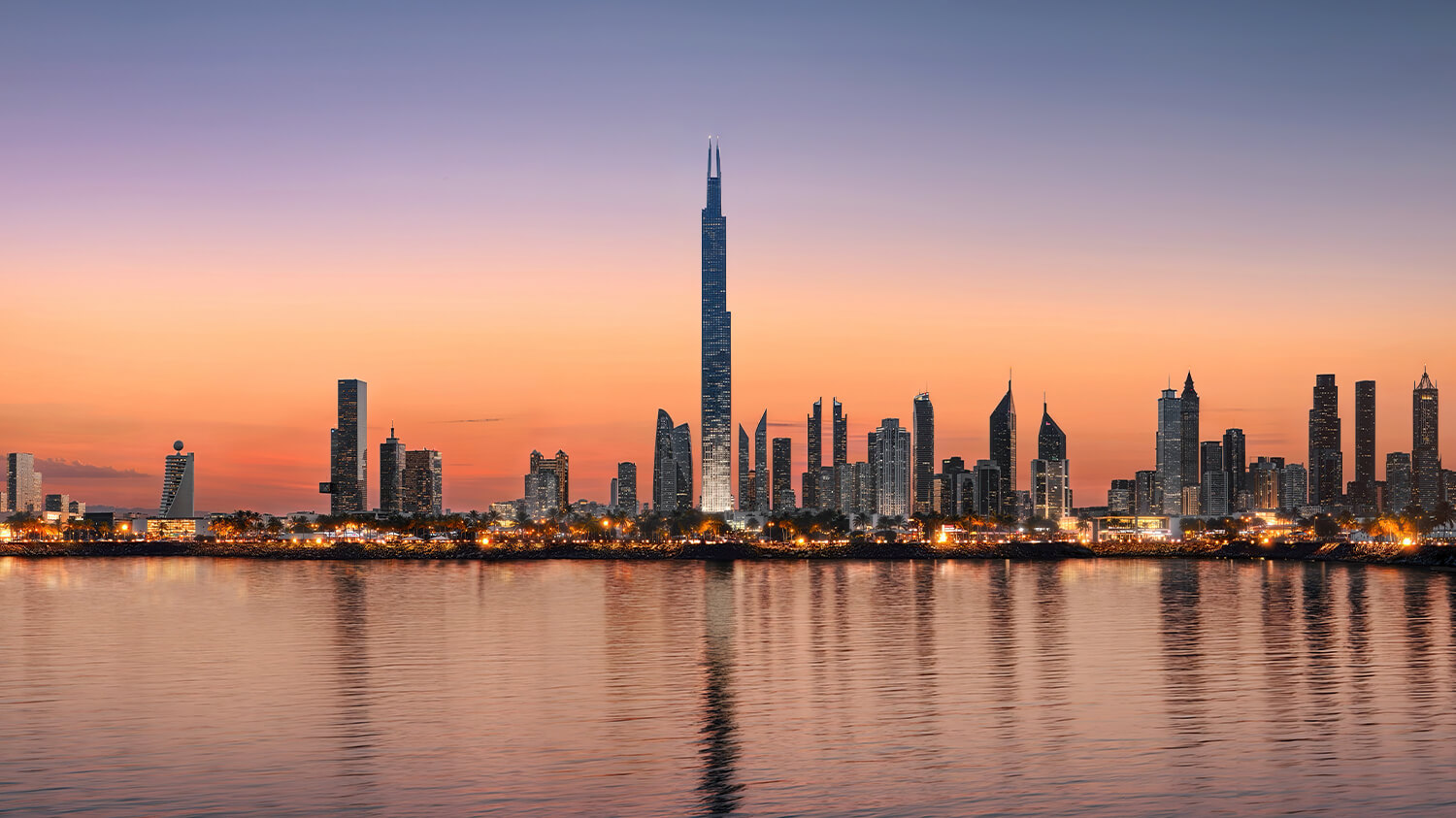
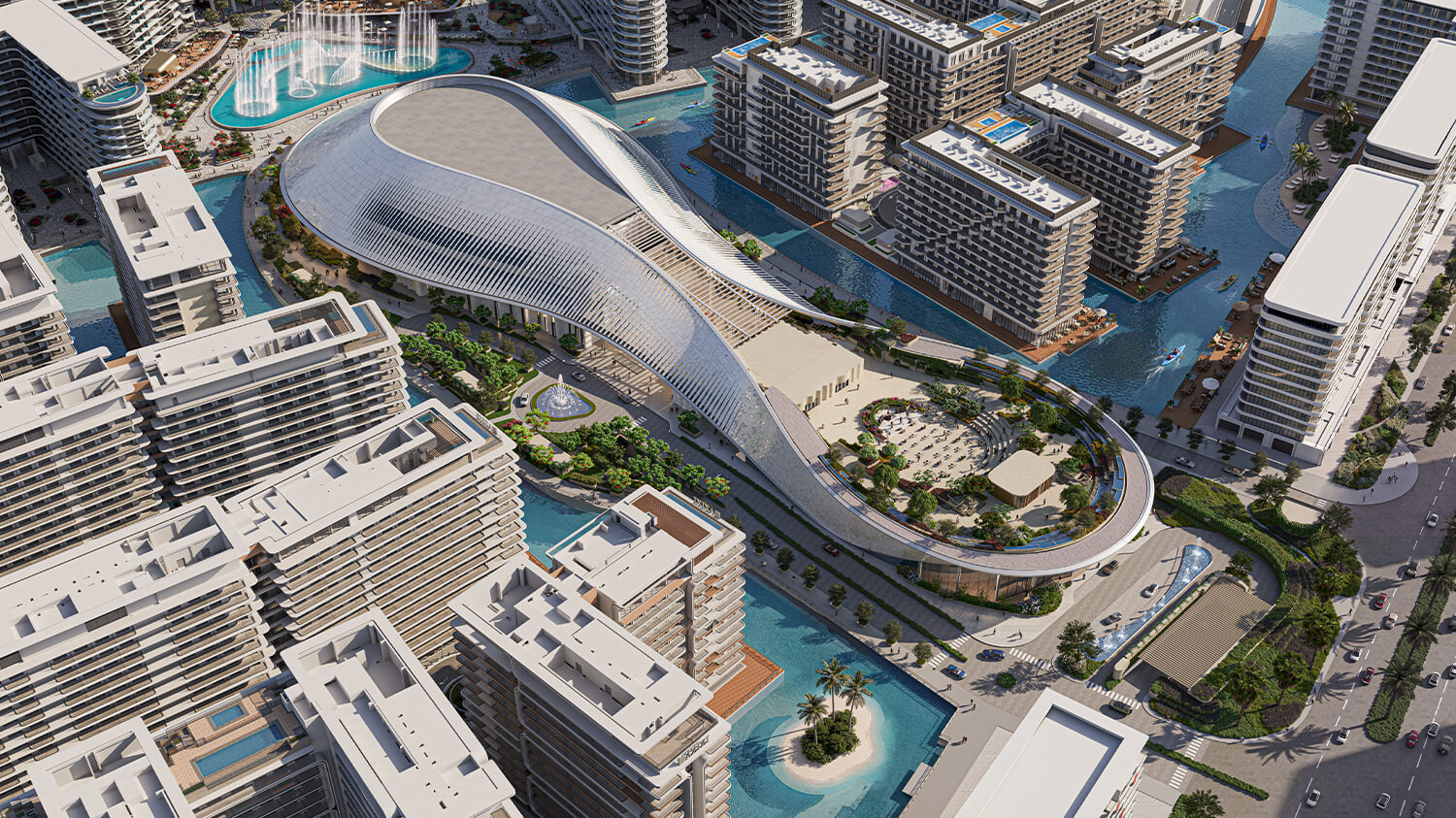
Riviera in MBR City was our coming of age. Building an entire waterfront community taught us that a master plan is not a drawing; it is a promise made to thousands of families at once, and keeping it proved we could deliver at city scale. Burj Azizi, rising 725 metres on Sheikh Zayed Road as the world’s second-tallest building, is our signature on Dubai’s skyline and a source of immense pride. But the project closest to my heart is Azizi Florence. Sharjah is where my family’s story in the UAE began 31 years ago. Some projects you build for the market. This one, in a sense, we are building for our own history.
5. Winning in an Increasingly Competitive Market
Dubai’s development landscape has become highly competitive, with established and emerging developers competing for the same pool of investors. What differentiates Azizi, and what strategies are you deploying to maintain strong sales momentum?
The great paradox of off-plan is that the easiest moment in any project is the sale, and the hardest is the handover. Anyone can commission a beautiful render and sell out a launch in a weekend. Very few can hand over the keys on the date they promised. That is our edge, and it is structural, not cosmetic. We manufacture our own aluminium, joinery, ductwork and precast, and we run our own project management, so our timelines are never hostage to someone else’s priorities. Today’s buyer is sophisticated. They no longer judge a developer by the brochure; they judge by the cranes. And cranes do not lie.
6. Managing Risk in a High-Growth Market
Real estate development can generate significant returns, but it also exposes developers to substantial financial, construction, and market risks. From your experience, what are the risks developers most often underestimate, and how should they be managed?
The risk developers underestimate most is the one that never appears on their balance sheet: dependence. In a booming market, everyone assumes the materials will arrive, the subcontractor will perform and the lender will stay patient. Then shipping costs spike or a contractor overextends, and a project that looked profitable on paper simply stops. Growth does not remove fragility; it conceals it. Our answer has been aggressive vertical integration and balance-sheet discipline. When you produce your own materials, you eliminate both the contractor’s margin inflation and the supply chain’s uncertainty. When you fund from reserves rather than debt, a market correction becomes an inconvenience rather than an existential event.
7. Dubai’s Next Three Years
Looking beyond current regional tensions and short-term market fluctuations, how do you see Dubai’s real estate market evolving over the next three years? Which fundamental drivers will shape the next phase of growth?
Dubai has crossed a threshold that many outside the market have not yet fully appreciated. It is no longer a city where capital comes to trade; it is a city where people come to live. When families move their life savings, enrol their children in school and base their global operations here, the nature of demand changes permanently. Speculation is restless; residency is patient. With the Dubai 2040 Urban Master Plan, the D33 economic agenda and the expansion of Al Maktoum International Airport, the fundamentals are not a forecast. They are already under construction. Over the next three years, the winners will not be those selling standalone towers, but those building complete ecosystems with schools, parks, walkable retail and a genuine sense of place. People no longer buy apartments. They buy the life around them.
8. The Investor’s Perspective
With so many projects and investment opportunities available, what advice would you give today’s property investors? What fundamental factors should they evaluate before committing to a property?
Invest in execution, not imagination. A render is a work of art; a building is a work of discipline, and only one of them pays rent. Before you commit, go to the developer’s active sites and see whether concrete is being poured. Check whether their last five projects were delivered on time. Study the strength of their balance sheet. The brochure tells you what a developer hopes to build. The construction site tells you what they are capable of building. In real estate, track record and construction pace are the only metrics that cannot be rendered.
9. What Comes Next for Azizi?
Azizi Group has established an ambitious development pipeline. Can you give us a glimpse into the upcoming projects, new communities or future phases that investors and the market should be watching?
Our focus is not the next announcement. It is the next handover. We have approximately 150,000 units under active development, and disciplined execution across that portfolio is the only priority that matters. Structural works on Burj Azizi are advancing, Venice in Dubai South is accelerating, and site works on Azizi Florence in Sharjah are mobilising. Beyond residential, we are expanding our hospitality footprint through an AED 7.5 billion pipeline and significantly scaling our in-house factories and workforce accommodation. In this industry, ambition is measured in launches. Credibility is measured in keys.
10. Lessons from the Journey
Finally, every successful developer has experienced both remarkable achievements and difficult challenges. What are the most important lessons you have learned from your greatest successes and toughest projects, and what advice would you give to the next generation of developers?
Every developer is eventually tested, and the test rarely arrives at a convenient moment. We have weathered difficult contractors, supply bottlenecks and market corrections, and each one taught us the same lesson in a different language: never outsource your reputation. Success can flatter you into complacency; adversity shows you exactly where your real dependencies lie. To the next generation, I would say this: treat cash flow as oxygen, stay close enough to your sites to feel the dust, and let delivery be your loudest form of marketing. Trust is the one asset in this business that compounds without limit. Build it first, and the sales will follow.