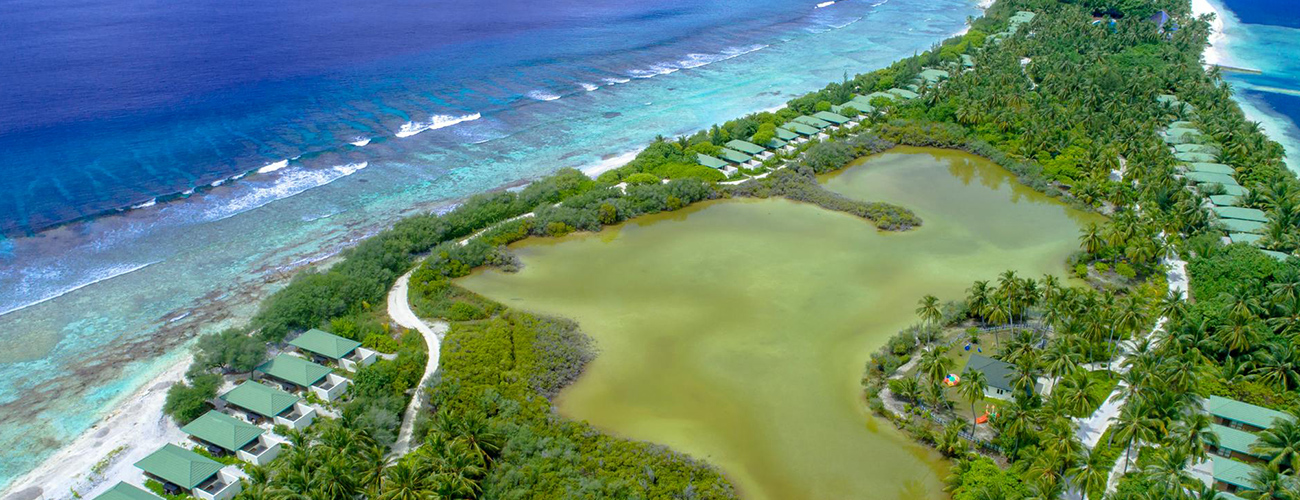
Mauritius at a Glance
Mauritius sits in the Indian Ocean, strategically positioned between Asia, Africa, and Australia. The island has built a reputation as an investment platform supported by a diversified economy and a stable democratic system based on the Westminster model. With a population of 1.3 million and a GDP per capita of USD 11,102 in 2024, the country has pursued reforms aimed at strengthening resilience and diversifying its economic base.
The economy extends well beyond tourism. Key clusters include ICT, manufacturing, logistics, financial services, life sciences, hospitality, and property development. The legal system combines civil law and common law traditions, with the Judicial Committee of the Privy Council in London serving as the ultimate court of appeal. A banking sector comprising 21 banks supports fund administration, investment banking, private client activities, and international portfolio management.
Mauritius presents itself as safe, stable, and predictable. That positioning underpins its real estate strategy.
Why Mauritius Has Become a Serious Real Estate Play
Real estate in Mauritius operates within a regulated framework supported by tax clarity, structured residency pathways, and strong institutional backing.
Fiscal framework
Investors benefit from a clearly defined tax environment:
- Income tax at 15 percent
- Corporate tax at 15 percent
- VAT at 15 percent
- No tax on dividends
- No capital gains tax
- No wealth tax
- No inheritance tax for direct descendants
- No exchange controls with free repatriation of funds, capital gains, and dividends
- 5 percent registration duty on the purchase of immovable property
- 100 percent foreign ownership permitted
Residency-linked investment
Property acquisition can lead to residency under approved schemes:
- Acquisition under IRS, RES, PDS, and Smart City Scheme
- Purchase above USD 375,000 grants a residence permit to the owner, spouse, and dependents
- Apartments in G+2 buildings are available from at least USD 145,000
- Residency granted for apartments above USD 375,000
Projects under these schemes are developed within a regulated legal framework approved by the Economic Development Board, with promoters required to provide management services, including maintenance and security.
Market performance
The Real Estate, Construction, and Hospitality sector contributed 18 percent to GDP in 2025, with gross value addition of approximately USD 2.5 billion. Foreign direct investment in the sector increased from USD 46 million in 2006 to nearly USD 658 million in 2024. Domestic and foreign investment has enhanced infrastructure and amenities, supporting upscale residential units, resorts, golf developments, shopping malls, and grade A office buildings.
More than 120 residential projects are available, with around 1,200 units currently for sale. Prices range from USD 200,000 to USD 2 million, with an average selling price of approximately USD 2,500 per square metre. Investors may also participate in rental pool arrangements linked to hospitality facilities managed by established hotel brands.
Smart city development
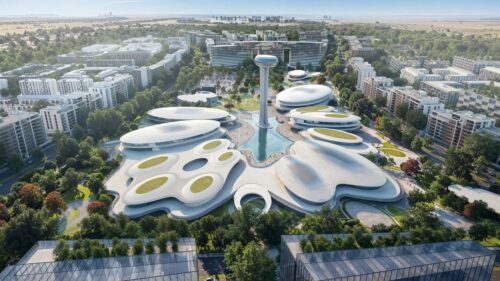
Eighteen smart cities have been approved for development. These projects are designed as mixed-use, integrated environments supported by infrastructure, transport connectivity, educational institutions, and healthcare services.
Smart cities are structured around coherent urbanisation principles and next-generation infrastructure, providing space for investors to establish and operate businesses within the same ecosystem. Provisions are made for ICT, manufacturing, healthcare, financial services, logistics, education, and creative arts.
Treaty-backed investment ecosystem
Mauritius supports its investment climate through an extensive treaty network:
- 45 bilateral investment treaties globally, including 24 with African states
- 52 double taxation agreements globally, including 21 with African states
- Membership in ICSID under the World Bank framework
These agreements provide mechanisms for investment protection, dispute resolution, and free repatriation of capital.
Where UAE Investors Can Deploy Capital
Investment opportunities extend across residential, tourism, healthcare, and commercial segments identified in the national development strategy.
Smart city residential mixed-use
Smart cities allow the acquisition of residential units under regulated schemes while offering integrated commercial and business space within the same master plan. Developments are required to include high-standard public spaces, sustainability measures, and smart infrastructure.
Waterfront regeneration
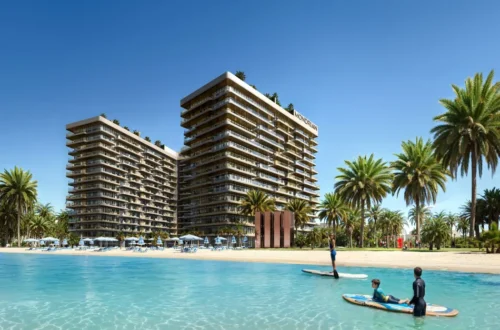
The Les Salines Waterfront in Port Louis covers 20 hectares and is planned as a mixed-use integrated development comprising retail, residential, office, hotel, and leisure facilities. Construction of a passenger cruise terminal is underway as part of the project.
Marina development
Mauritius is seeking to develop commercial marina projects to complement its tourism sector. A marina may form part of an integrated development including a hotel, shopping mall, and related facilities, providing secured mooring areas and marine services.
Retirement living
The government intends to attract at least 50,000 foreign retirees annually and position Mauritius as a prominent retirement destination. Opportunities include the development of luxury senior residences, multi-specialty clinics, and wellness facilities.
Commercial industrial
Investment prospects also include industrial parks, commercial complexes, office spaces, logistics facilities within the Freeport, high-class business hotels, and MICE infrastructure. The broader manufacturing and logistics ecosystem strengthens demand for such assets.
Conclusion: A Regulated Pathway into Property Investment
Mauritius has structured its real estate market within a stable legal framework, supported by tax clarity, residency pathways, and an extensive network of international treaties. The sector’s contribution to GDP, rising foreign direct investment, and pipeline of regulated developments reflect a coordinated national strategy rather than isolated projects.
For UAE investors seeking exposure within a predictable regulatory environment, Mauritius presents a property market aligned with economic diversification, infrastructure development, and long-term planning.