

Buying property in Portugal has become increasingly attractive for international investors, lifestyle buyers, and second-home seekers. The country combines economic stability, investor-friendly regulations, and a high quality of life, making it one of Europe’s most compelling real estate markets. Below is a structured explanation of why to buy property in Portugal followed by a clear outline of the legal process involved.
Why Buy Property in Portugal
1. Strong Lifestyle Appeal
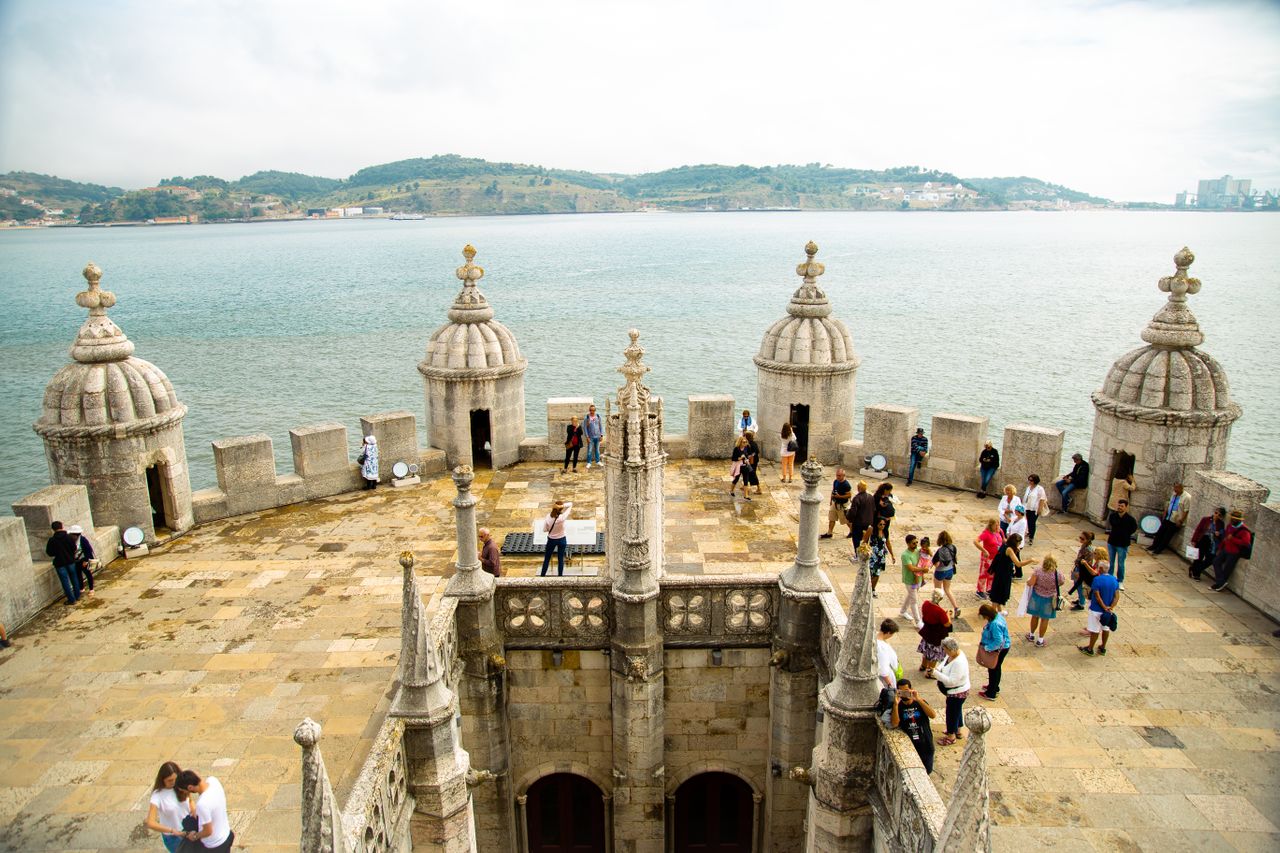
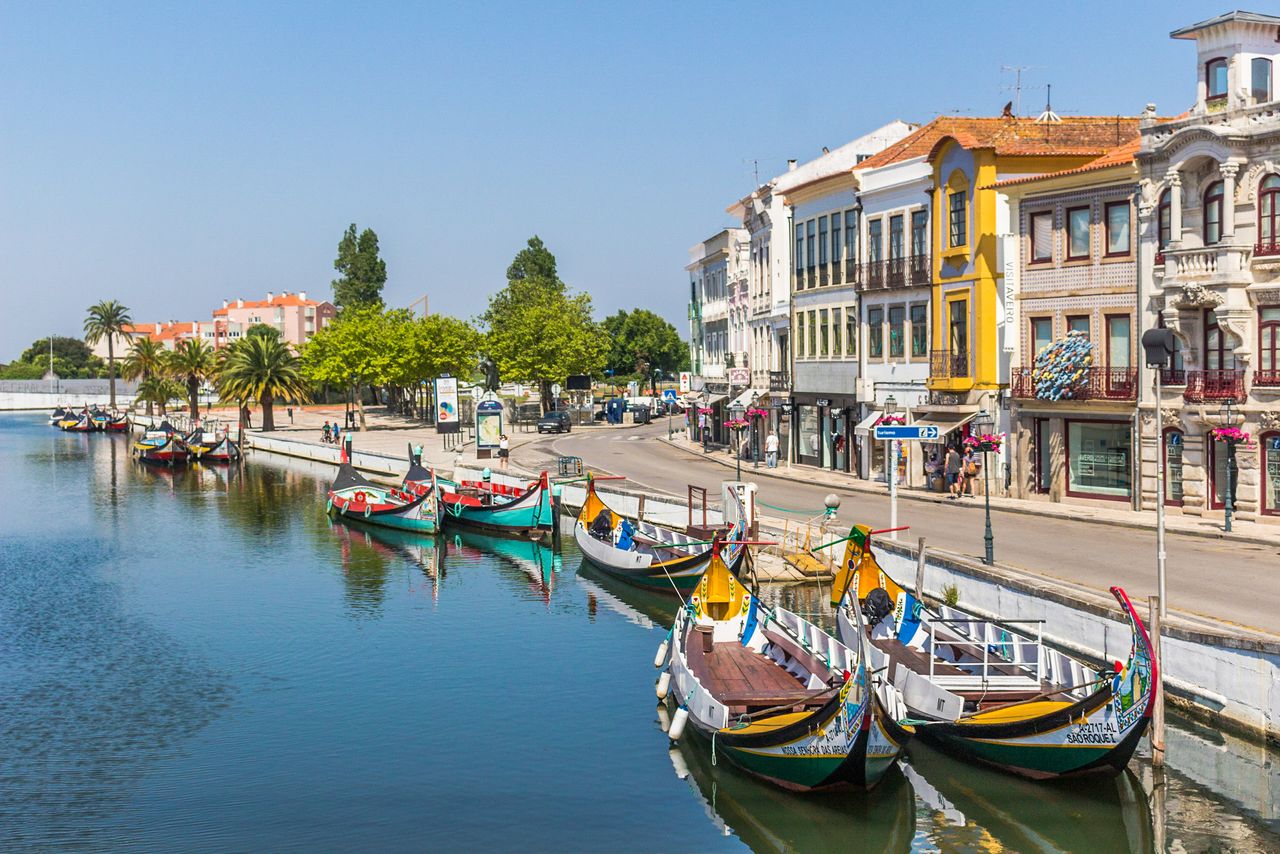
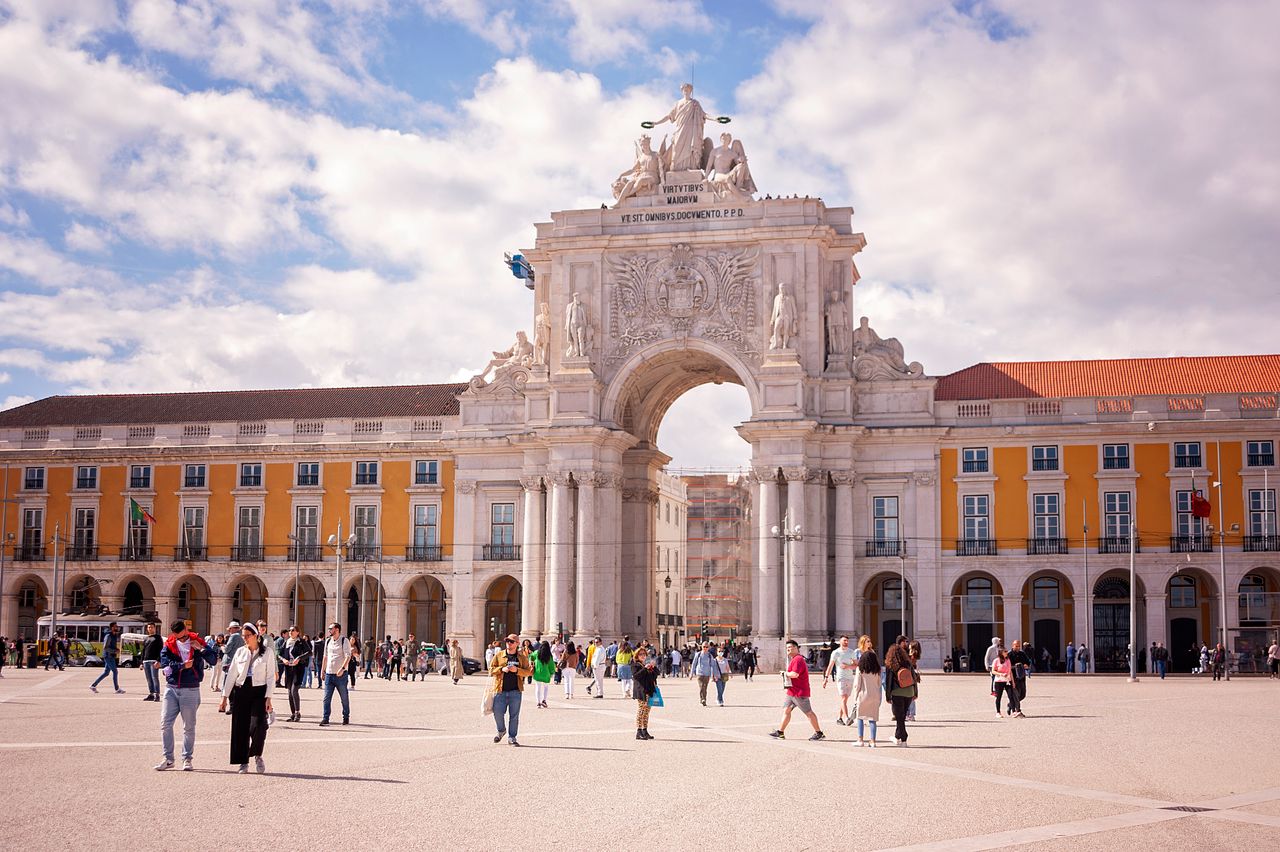
Portugal offers a high standard of living at a relatively moderate cost compared to other Western European countries. Cities like Lisbon and Porto provide vibrant urban environments, while regions such as the Algarve are known for beaches, golf resorts, and relaxed coastal living. The climate is another major advantage, with over 300 days of sunshine annually in many areas.
2. Stable and Growing Real Estate Market
The Portuguese property market has demonstrated resilience and steady appreciation over the past decade. Demand is driven by both domestic buyers and international investors, particularly from Europe, the Middle East, and North America. Limited supply in prime areas has contributed to consistent price growth, making property ownership a potentially strong capital appreciation play.
3. Residency and Investment Incentives
Portugal has historically offered residency-by-investment programs, such as the Golden Visa (though subject to regulatory changes). Even beyond such programs, property ownership can support residency applications, particularly for retirees or individuals with passive income through the D7 visa. These frameworks make Portugal appealing for those seeking EU access or relocation.
4. Favorable Tax Environment
Portugal offers various tax advantages, particularly for foreign residents. Programs such as the Non-Habitual Resident (NHR) regime (subject to evolving policies) have historically provided tax incentives on foreign income. Property taxes, including IMI (municipal property tax), are relatively moderate compared to many European jurisdictions.
5. Tourism-Driven Rental Income
Portugal is one of Europe’s top tourist destinations, which supports strong short-term rental demand, especially in Lisbon, Porto, and the Algarve. Investors can benefit from attractive rental yields, particularly in well-located properties. However, local regulations on short-term rentals (Alojamento Local licenses) must be carefully assessed.
6. Transparent Legal System
Portugal operates under a civil law system with clear property ownership regulations. Title registration is centralized and reliable, reducing the risk of disputes. Foreign buyers enjoy the same property rights as Portuguese nationals, with no restrictions on ownership.
7. Accessibility and Connectivity
Portugal is well connected internationally, with major airports in Lisbon, Porto, and Faro. For investors based in the UAE or elsewhere, direct flights and time zone compatibility make it a practical destination for both investment oversight and personal use.

Legal Process of Buying Property in Portugal
The property acquisition process in Portugal is structured and relatively straightforward, but it requires careful legal due diligence.
1. Obtain a Portuguese Tax Number (NIF)
Before any transaction, the buyer must obtain a Número de Identificação Fiscal (NIF). This is essential for signing contracts, opening a bank account, and paying taxes. Non-EU buyers typically appoint a fiscal representative to obtain this number.
2. Open a Portuguese Bank Account
While not strictly mandatory, having a local bank account simplifies payments related to deposits, taxes, and utilities. Most transactions in Portugal are conducted through bank transfers.
3. Property Selection and Due Diligence
Once a property is identified, legal due diligence is critical. A lawyer will verify:
- Ownership title (via the Land Registry – Conservatória do Registo Predial)
- Absence of debts or encumbrances (mortgages, liens)
- Planning permissions and property compliance
- Energy certificate and habitation license
This stage ensures that the asset is legally transferable and free of liabilities.
4. Promissory Contract (Contrato de Promessa de Compra e Venda – CPCV)
The buyer and seller typically sign a preliminary agreement known as the CPCV. At this stage:
- A deposit (usually 10%–30% of the purchase price) is paid
- Terms and conditions are formalized
- Completion date is agreed
This contract is legally binding. If the buyer withdraws, they may lose the deposit; if the seller withdraws, they must usually return double the deposit.
5. Final Deed (Escritura Pública)
The final purchase is executed through a public deed before a notary. At this stage:
- The remaining balance is paid
- Ownership is officially transferred
- The transaction is registered with the Land Registry
This step legally finalizes the acquisition.
6. Taxes and Costs
Buyers should budget for additional costs of approximately 6%–8% of the property value, including:
- IMT (Property Transfer Tax) – varies based on price and usage
- Stamp Duty – typically 0.8% of the purchase price
- Notary and Registration Fees
- Legal Fees
7. Property Registration
After completion, the property must be registered in the buyer’s name at the Land Registry and updated with the tax authorities. This ensures full legal ownership.
8. Ongoing Obligations
Post-purchase, owners are responsible for:
- Annual IMI (municipal property tax)
- Maintenance and condominium fees (if applicable)
- Income tax on rental earnings (if the property is leased)

Conclusion
Portugal offers a compelling mix of lifestyle benefits, stable real estate fundamentals, and investor-friendly regulations. For international buyers, particularly those seeking diversification, residency options, or rental income, it represents a strategic acquisition market within Europe. The legal process is transparent and structured, provided that buyers engage qualified legal advisors and follow due diligence protocols. With proper planning, purchasing property in Portugal can be both a financially sound investment and a gateway to a high-quality European lifestyle.
Antonio Barbosa of Infinite Solutions summarised it by saying: “You can’t buy happiness, but you can buy a property in Portugal, and that’s pretty much the same thing!”