Strategic capital now drives 40% of Dubai’s real estate investment, replacing 2014’s speculation-led market
Dubai reached its previous market peak in September 2014. A decade later, prices have not only recovered but surpassed those...

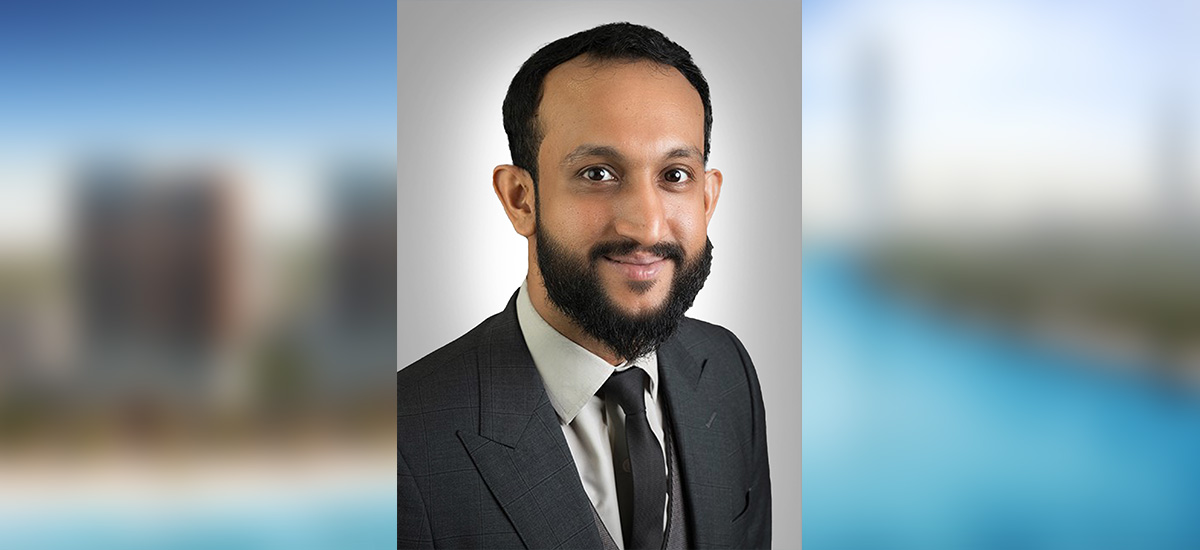
By Ali Siddiqui, Research Manager, Cavendish Maxwell
The defining characteristic of the UAE residential property market in 2026 is that demand dynamics are expected to differ significantly across each emirate, marking a departure from the more uniform growth seen in 2025.
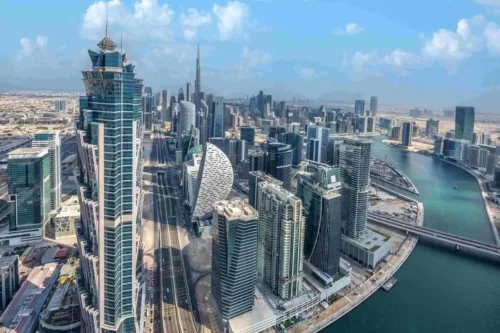
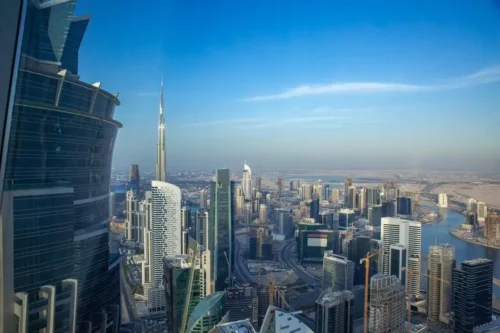
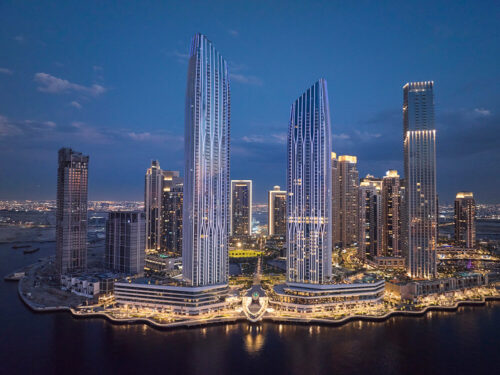
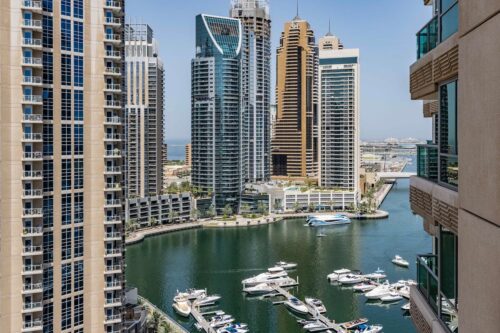
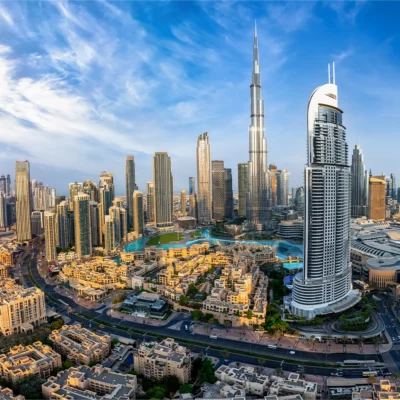
Each emirate will have its own unique drivers and trends shaping demand. Dubai is expected to see the most pronounced shift, with around 108,000 units scheduled for delivery in 2026, and early indications suggest that sales prices and rental growth are moderating.
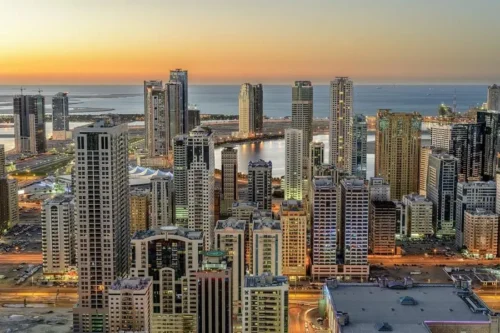
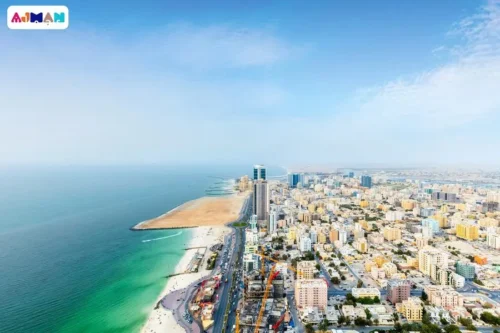
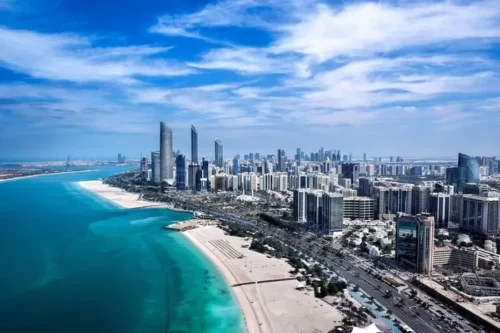
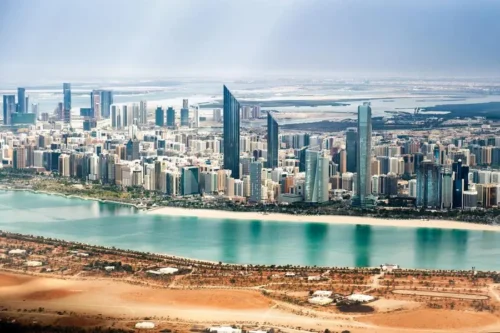
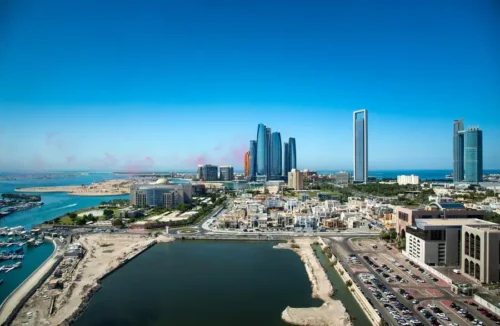
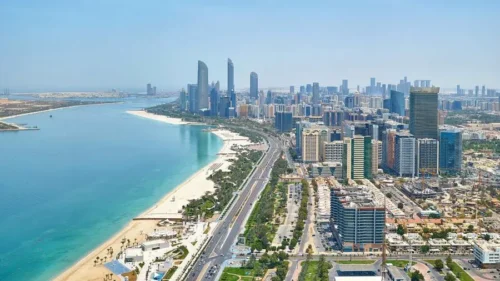
In contrast, Abu Dhabi remains supply-constrained, with limited new inventory of around 12,800 units, supporting steadier price momentum. The Northern Emirates – Ajman, Ras Al Khaimah, Sharjah, Umm Al Quwain and Fujairah – are influenced by different dynamics, the main driver being that they are more affordable than Dubai and Abu Dhabi.
Looking ahead, near-term demand is expected to remain solid, supported by population growth and the continued influx of new companies, which in turns creates job opportunities and the need for more accommodation. As a result, sales prices and rental rates are likely to continue rising, but the pace of growth will vary across emirates and between communities within each emirate.
Cavendish Maxwell expects that established communities with tight supply, a range of amenities, strong transport links, and reputable developers are expected to see healthy appreciation this year. In contrast, oversupplied, investor-heavy areas with weak infrastructure will likely face pressure.
Several macroeconomic tailwinds are expected to support the UAE residential market in 2026. Continued foreign direct investment combined with population growth driven by job creation, will support housing demand. The IMF forecasts UAE GDP growth of around 5% in 2026, providing further confidence to the market. Interest rates are expected to come down as the Federal Reserve eases policy, with the UAE Central Bank tracking these cuts. This should modestly improve mortgage affordability and buyer sentiment.
Last year, the off-plan segment was the most prominent in Dubai and Abu Dhabi resdiential sector, accounting for nearly 70% of all sales in both emirates. We expect this segment to remain prominent in 2026 if developers continue to launch new projects to maintain sales momentum, though this will further expand the already substantial pipeline of under-construction units.
After a strong performance in 2025, the luxury and ultra-luxury segments in Dubai are expected to see sustained demand this year, supported by inflows of HNWIs.
With hybrid work now the norm for many people, demand for larger apartments and villas has increased, with buyers prioritising space to accommodate home offices. In response, developers have started to integrate shared meeting rooms, co-working spaces and business lounges within residential developments to cater to flexible working – and we expect this to continue in 2026. At the same time, lifestyle amenities have become critical differentiators, with buyers placing greater value on green spaces, fitness facilities, walkability, and access to everyday services.

Developers News Magazine (DNM) is a news website and monthly online digital magazine that focusses on news related to developers and off-plan projects including new project launches, project updates, market insights, as well as on-going reports and statistics.
© 2026 Developers News UAE. All rights reserved.