Q3 2026 saw an uptick in office enquiries, driven partly by occupier expansion plans, though cautious sentiment continued to extend decision timelines and slowed deal conversion
- No major office completions were recorded in Abu Dhabi or Dubai in Q3 2026, with citywide vacancy tightening to 1.1% and 5.9%, respectively, and Dubai rents rising by double digits year-on-year in every grade.
- Landlords are reshaping tenant mix in response to major brands reconsolidating space in super regional malls, bringing in private-label and smaller international brands alongside smaller-format dining and flexible food halls.
Limited new office supply continues to favour landlords across the UAE, while retail footfall remained resilient despite softer tourist volumes, supported by resident demand as community and regional malls benefited from increased visits during the summer months, according to JLL’s latest Q3 Office and Retail Market Dynamics reports.
The UAE office market sustained its momentum through Q3, with both Abu Dhabi and Dubai continuing to record positive leasing activity, as Abu Dhabi’s growth was led by strong renewal activity and tenants sought to grow their footprint rather than relocate. Deal flow, which had moderated through the summer months, showed signs of recovery from September as enquiry levels picked up, though geopolitical challenges weighed on deal conversion, with a more sustained pickup in deal completions possible should regional sentiment stabilise.
Rental growth is expected to remain positive across both cities through year-end, though the trajectory will differ. In Abu Dhabi, the rent-freeze regulation will continue to shape the pace of escalation, with significant rate increases largely confined to long-term vacant spaces, newly completed projects and within ADGM. In Dubai, annual growth is anticipated to hold firm in the short term, while quarterly gains are likely to remain modest as the market settles into a more measured growth phase following the rapid escalation of prior years.
Looking ahead, Q4 is set to bring approximately 956,000 sq. ft. of new stock in Dubai and 74,850 sq. m. in Abu Dhabi. Pre-leasing activity is gaining traction as occupiers adapt to constrained availability, and landlord-favourable conditions are expected to persist in the near term, though select incentives may be negotiated case by case, subject to location and landlord discretion.
In retail, Abu Dhabi’s citywide vacancy stood at around 8.9% in Q3 2026, reflecting a stable occupancy profile with little movement compared to recent quarters, while Dubai’s vacancy dropped to around 4.4% (from 4.7% the previous quarter), reflecting a tight market. Vacancy is expected to remain stable through the rest of 2026, as limited near-term supply and cautious brand expansion keep the sector in a stabilisation phase, with a clearer recovery trajectory anticipated into 2027.
The market should stay resilient as brands position for the peak season, and a gradual shift in the tourist mix, including growing arrivals from Southeast Asia, is expected to offset part of the softer volumes from traditional source markets. Against this backdrop, Dubai rents are expected to remain firm in the near term as landlords hold their positions, with incentives and CapEx contributions likely to stay limited and offered only selectively. In Abu Dhabi, total rental registrations rose 6.5% annually, led by a 21.0% rise in renewals. Rental growth is expected to stay supported where open-market pricing applies, namely ADGM retail and newly completed space, while the rent freeze keeps increases elsewhere contained.
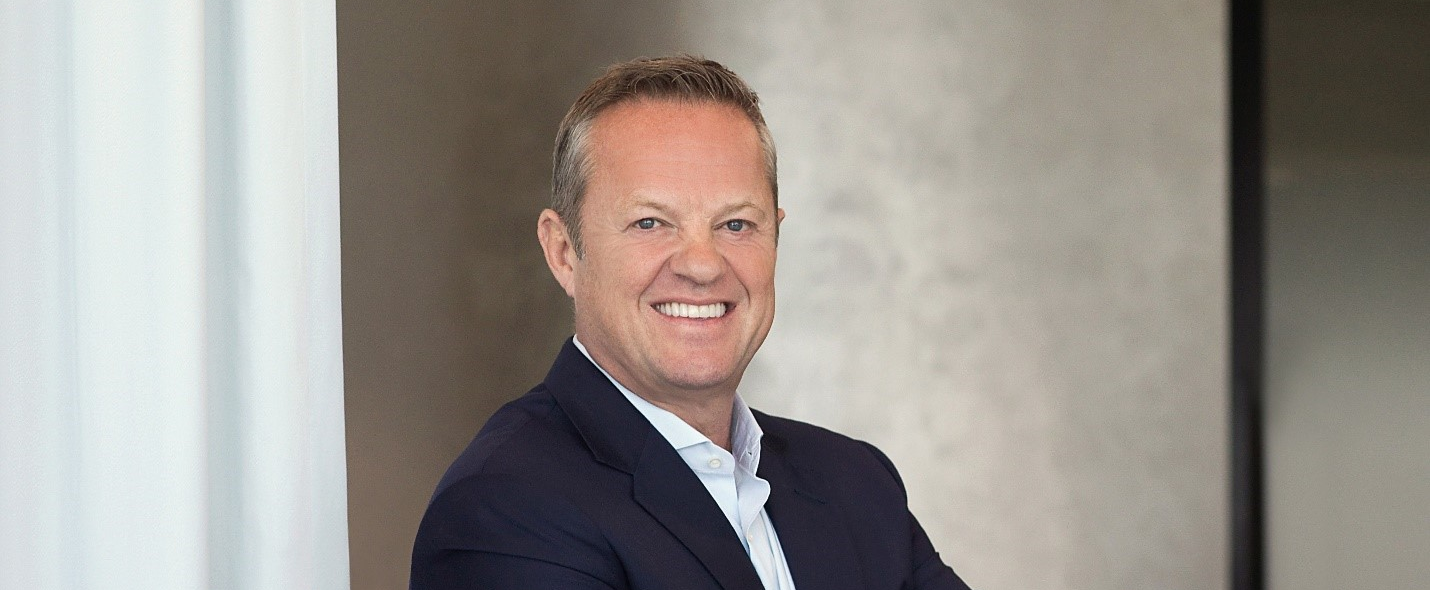
“Occupiers in both cities are competing for the same limited pool of quality office space, and with no major completions in the quarter, the balance still favours landlords. In retail, brands are reassessing the space they need, and the ability of mall owners to adapt their tenant mix will be key to keeping assets competitive. The Q4 office deliveries are welcome, but organisations are already pre-leasing, so the gap between what occupiers need and what is available will remain a defining feature of the market,” said James Allan, Country CEO – UAE, Egypt & Africa at JLL.
FAQs
- Question: Did Dubai office leasing slow in the quarter?
Answer: Rental registrations rose 0.4% year-on-year and enquiries picked up towards the end of Q3, though cautious sentiment slowed deal conversion. A seasonal summer slowdown cut new contracts by 35.6% and total volume by 25.1% on the previous quarter.
- Question: How are retail landlords responding to brands reassessing space?
Answer: By broadening the tenant mix with private-label concepts and smaller European and Scandinavian brands, rather than relying solely on traditional anchor names. Smaller-format dining and flexible food halls for homegrown cafe and bakery concepts are also being introduced.
- Question: How is retail leasing performing in Dubai?
Answer: Footfall held up, supported by resident demand, and rents held firm, while new contracts rebounded 7.2% on the previous quarter. Total rental registrations were 3.5% lower year-on-year, with softer visitor numbers affecting tourism-dependent locations.
- Question: What does the upcoming supply pipeline look like?
Answer: Q4 is set to bring approximately 956,000 sq. ft. of new office stock in Dubai and 74,850 sq. m. in Abu Dhabi. Remaining 2026 retail additions are limited, at around 494,000 sq. ft. in Dubai and 8,600 sq. m. in Abu Dhabi, with deferred projects expanding Dubai’s retail pipeline from 2027.
About JLL
JLL (NYSE:JLL) is a leading global commercial real estate services and investment management company with annual revenue of $26.1 billion, operations in over 80 countries and a global workforce of more than 112,000 as of September 30, 2026. For over 200 years, clients have trusted JLL, a Fortune 500® company, to help them confidently buy, build, occupy, manage and invest across a variety of industries and property types, including office, industrial, hotel, multi-family, retail and data center properties. Driven by our purpose to shape the future of real estate for a better world, we help our clients, people and communities SEE A BRIGHTER WAY. Powered by rich global datasets and leading technology capabilities, we provide coordinated, end-to-end delivery of real estate services for a broad range of global clients who represent a wide variety of industries. Through LaSalle Investment Management, we invest for clients on a global basis in both private assets and publicly traded real estate securities.
About JLL MEA
Across the Middle East and Africa (MEA) JLL is a leading player in the real estate and hospitality services markets. The firm has worked in 35 countries across the region and employs over 1800 internationally qualified professionals across its offices in Dubai, Abu Dhabi, Riyadh, Jeddah, Al Khobar, Cairo, Casablanca, Cape Town, Johannesburg and Nairobi.