
By Tariq Ramadan
Since establishing my real estate development and investment management company in 2006, I have witnessed a series of global and regional disruptions that have tested the UAE’s property market particularly in Dubai. From the global financial crisis of 2008 to the oil price downturn in 2014, through the COVID-19 pandemic, and most recently the ongoing regional geopolitical tensions, each cycle has challenged market stability.
Yet, what consistently stands out is the sector’s resilience and its capacity for swift and robust recovery. With every rebound, the market emerges stronger underpinned by enhanced regulatory frameworks, improved financial discipline among developers, and greater protections for investors. These structural advancements have played a critical role in reinforcing confidence and long-term sustainability.
Despite the recent regional tensions and their temporary impact on transaction volumes – particularly in March – the UAE property market has delivered a strong performance in the first quarter of 2026. Both sales transactions and overall volumes have recorded growth, while property prices have remained stable. This stability reflects a notable level of elasticity and confidence among both investors and developers.
Importantly, periods of uncertainty have historically created compelling entry points for long-term investors. Today is no exception. Developers across the market are introducing a range of incentives to attract buyers and sustain momentum. These include guaranteed returns on investment, extended and flexible payment plans, service charge waivers, Dubai Land Department fee exemptions, and even value-added incentives such as luxury car offerings.
In this report, we explore key insights and perspectives from leading developers and industry experts, all of whom reaffirm strong confidence in the UAE real estate market and its continued growth trajectory.
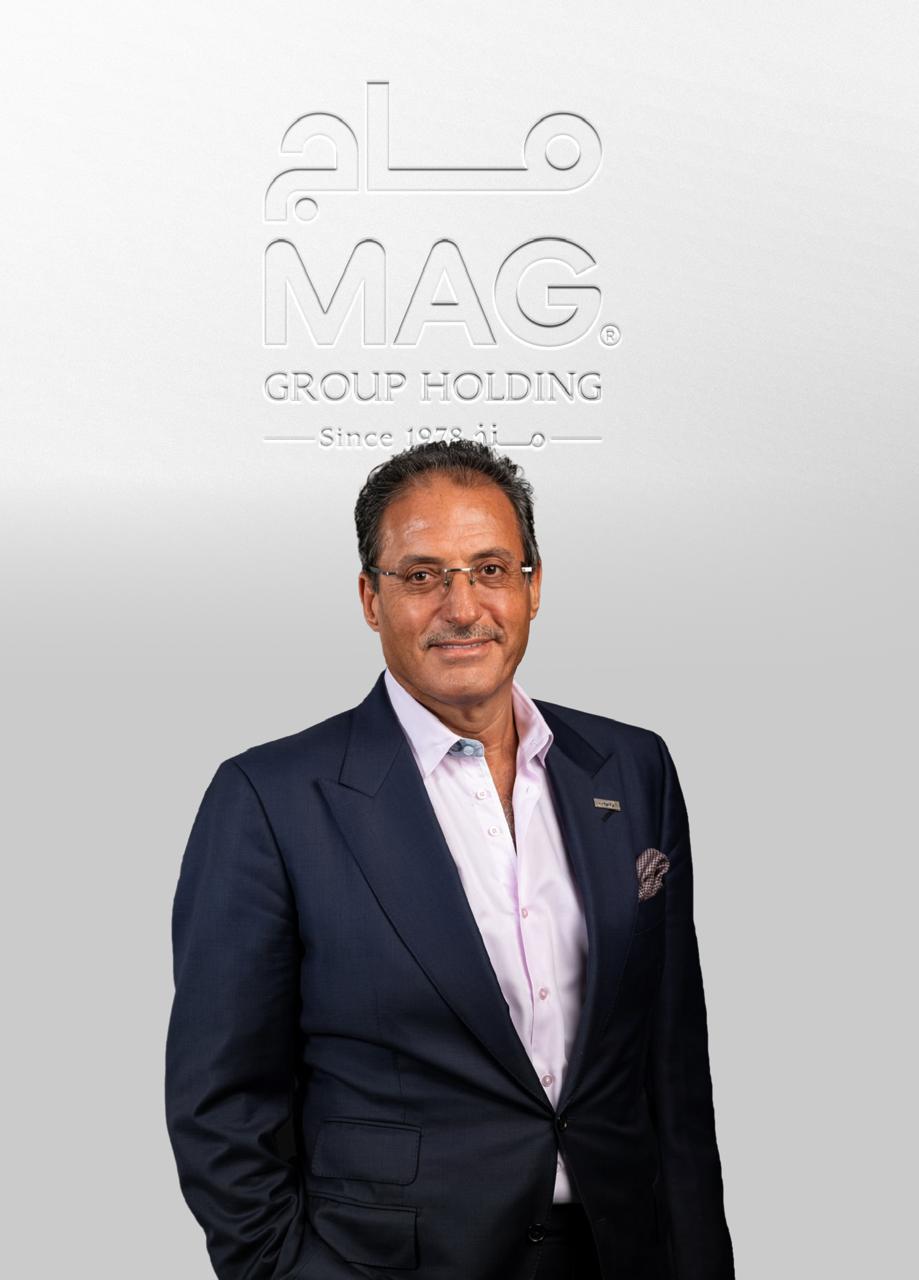
Mr. Moafaq Ahmed Al Gaddah
Chairman and Founder of MAG Holding Group, revealed that total sales across MAG’s projects in Q1 2026 approached AED 1 billion – an indicator of robust demand and sustained sectoral growth. He noted that the UAE real estate market is transitioning into a more mature and stable phase, underpinned by strong economic fundamentals and reinforced by the country’s visionary leadership. Growing confidence from both local and international investors, coupled with the market’s proven ability to adapt to global economic shifts, continues to position the UAE as a compelling destination for medium- and long-term investment.
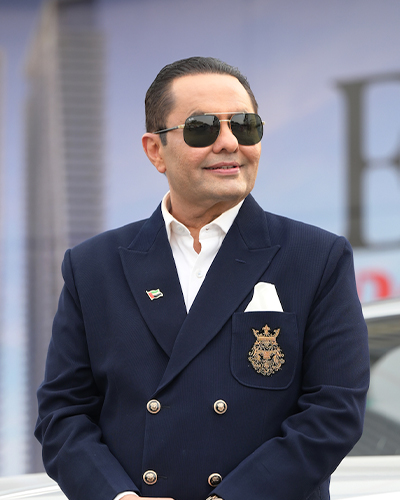
Mr. Rizwan Sajan
Chairman of Danube Properties, emphasized that Dubai’s real estate market has maintained remarkable stability during Q1 2026 despite global uncertainties. He attributed this resilience to strong fundamentals, proactive regulation, and forward-looking leadership. Sustained investor confidence, alongside Dubai’s world-class infrastructure, high-quality lifestyle, advanced healthcare, and attractive tax environment, continues to reinforce its status as a preferred global investment hub.
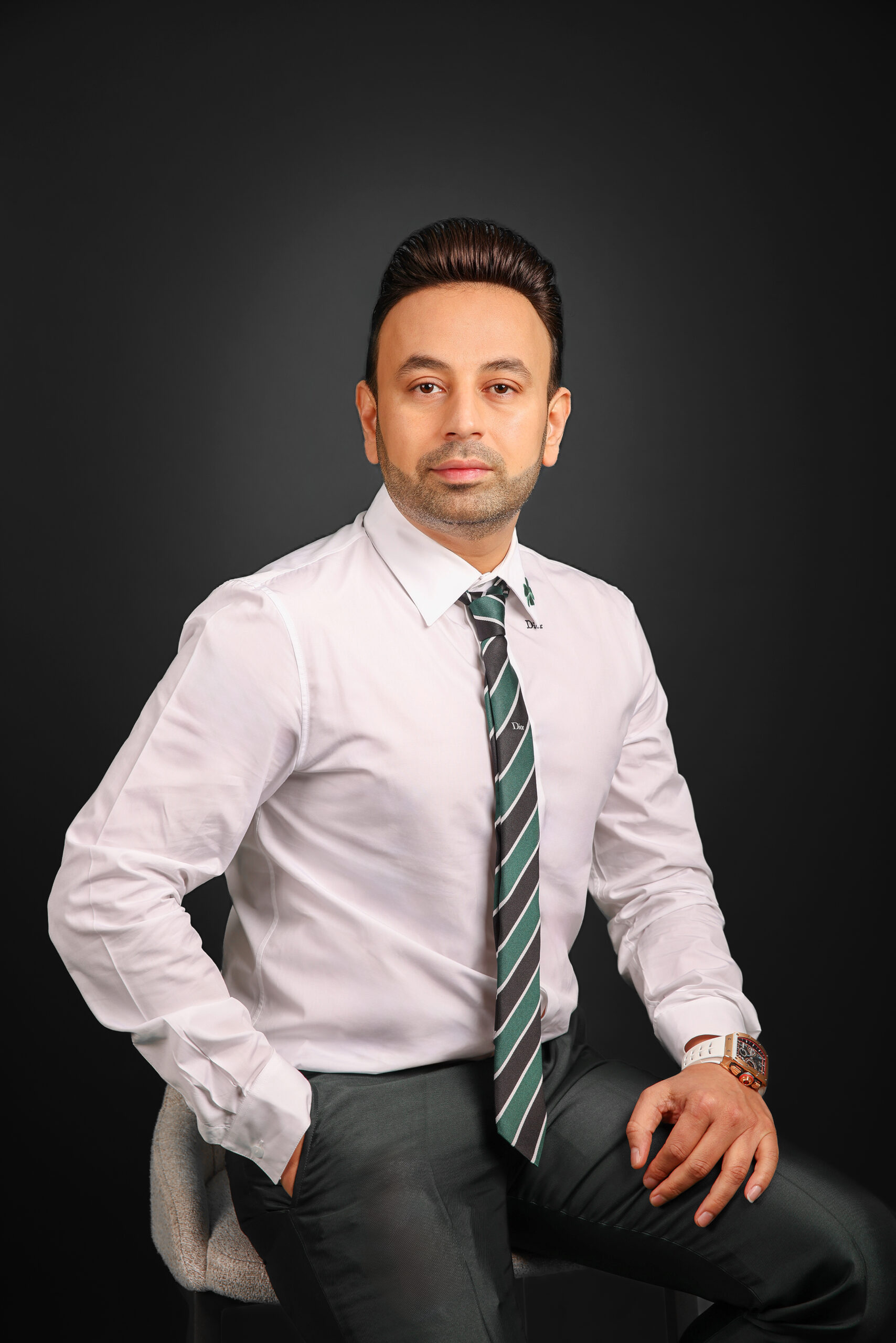
Mr. Satish Sanpal
Founder and Chairperson of ANAX Holding, highlighted that the sector’s resilience is once again evident in Q1 performance. Supported by population growth, investor-friendly policies, and sustained demand for high-quality developments, Dubai continues to strengthen its global positioning. He also pointed to key advantages such as tax efficiency, strong rental yields, and long-term residency initiatives like the Golden Visa, which collectively enhance investor confidence. In his view, periods of uncertainty present strategic entry points for investors seeking stable returns and long-term wealth creation.
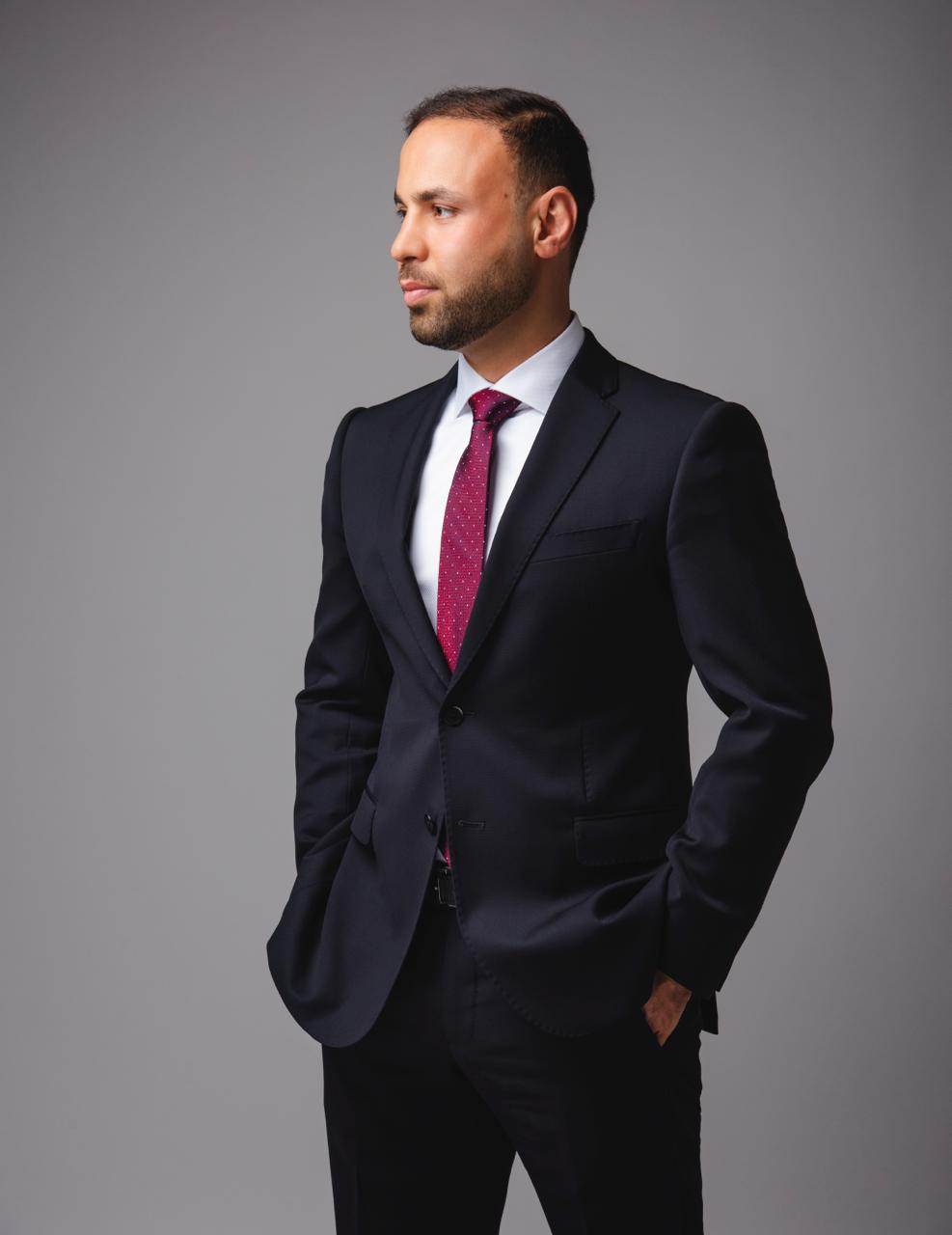
Mr. Farhad Azizi
Group CEO of Azizi Group, stressed that recent volatility has not altered the structural drivers of long-term growth. Sustained population inflows, economic diversification, and a regulatory framework focused on transparency and investor protection continue to underpin the market. He noted that Q1 performance reflects steady demand and disciplined absorption rather than speculative activity, adding that Dubai consistently demonstrates rapid recovery cycles making current conditions a recalibration phase rather than a setback.
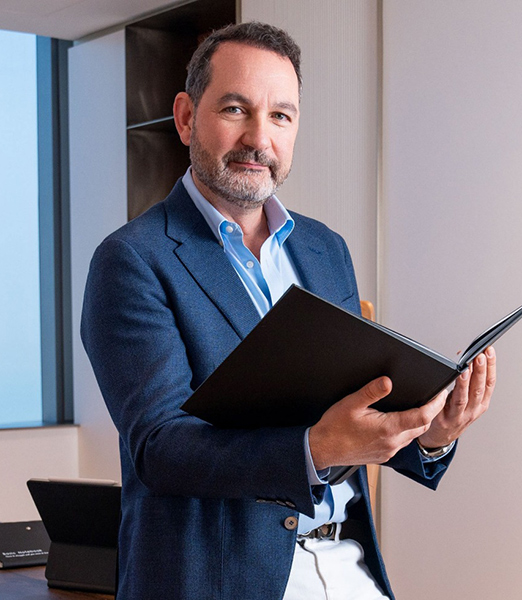
Mr. Michael Belton
CEO of MERED Development, attributed the market’s stability to the strength of its institutional framework. He highlighted that developers, contractors, and regulators operate within a structured ecosystem designed for continuity, ensuring consistent project execution. Demand remains diversified across local, regional, and international buyers, while increasing market maturity has shifted focus toward long-term value, quality, and developer track record – further reinforcing sustainable demand patterns.
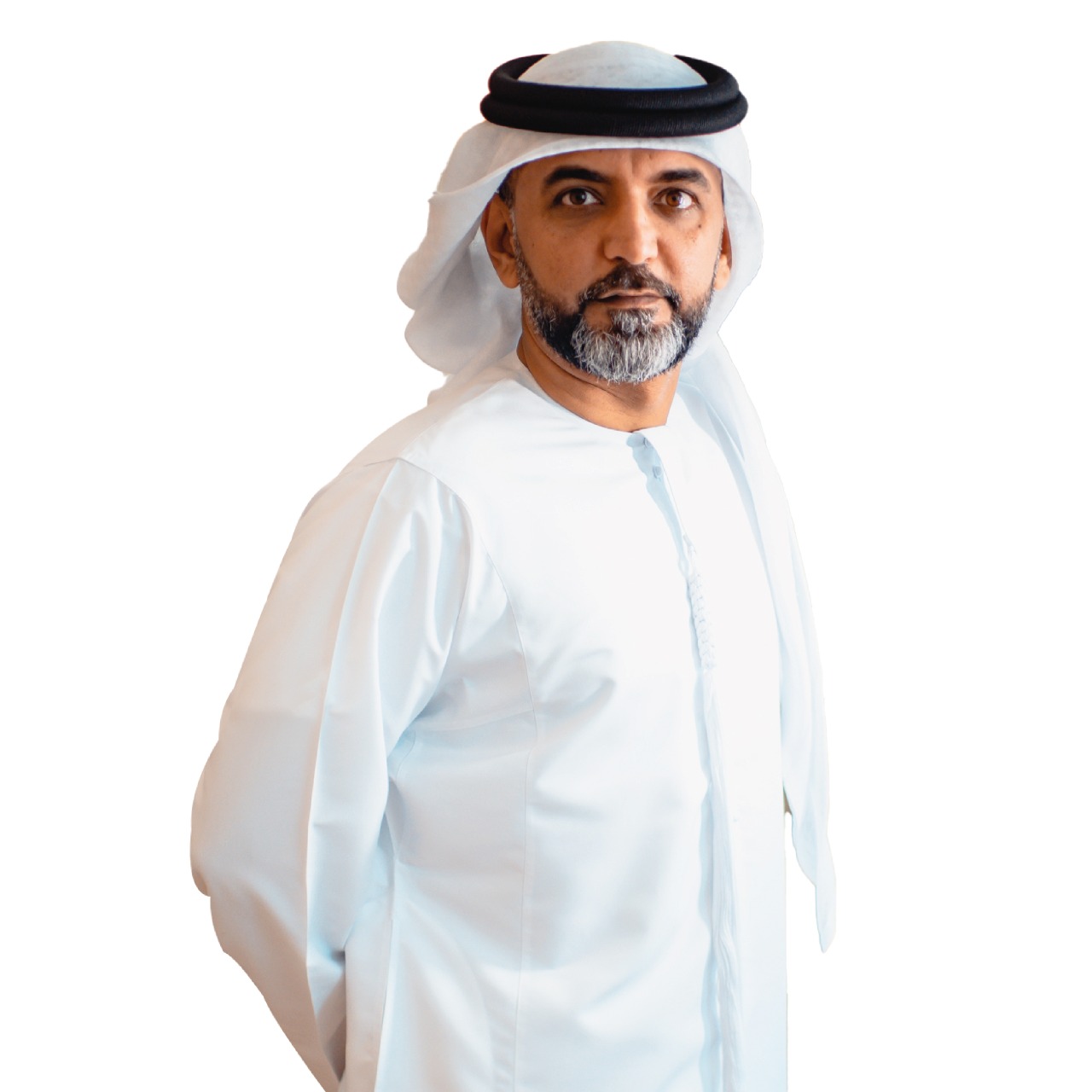
Mr. Ismail Al Hammadi,
Founder and CEO of Bridge Point and Biznet Consultancy, reported that approximately 141 projects have been launched and are under active execution as of 19 April 2026, according to Dubai Land Department data. These projects comprise 44,462 residential units – including 39,623 apartments and 4,839 villas – with phased delivery scheduled between 2027 and 2030. This pipeline reflects strong confidence among developers and investors, supported by a robust regulatory framework.
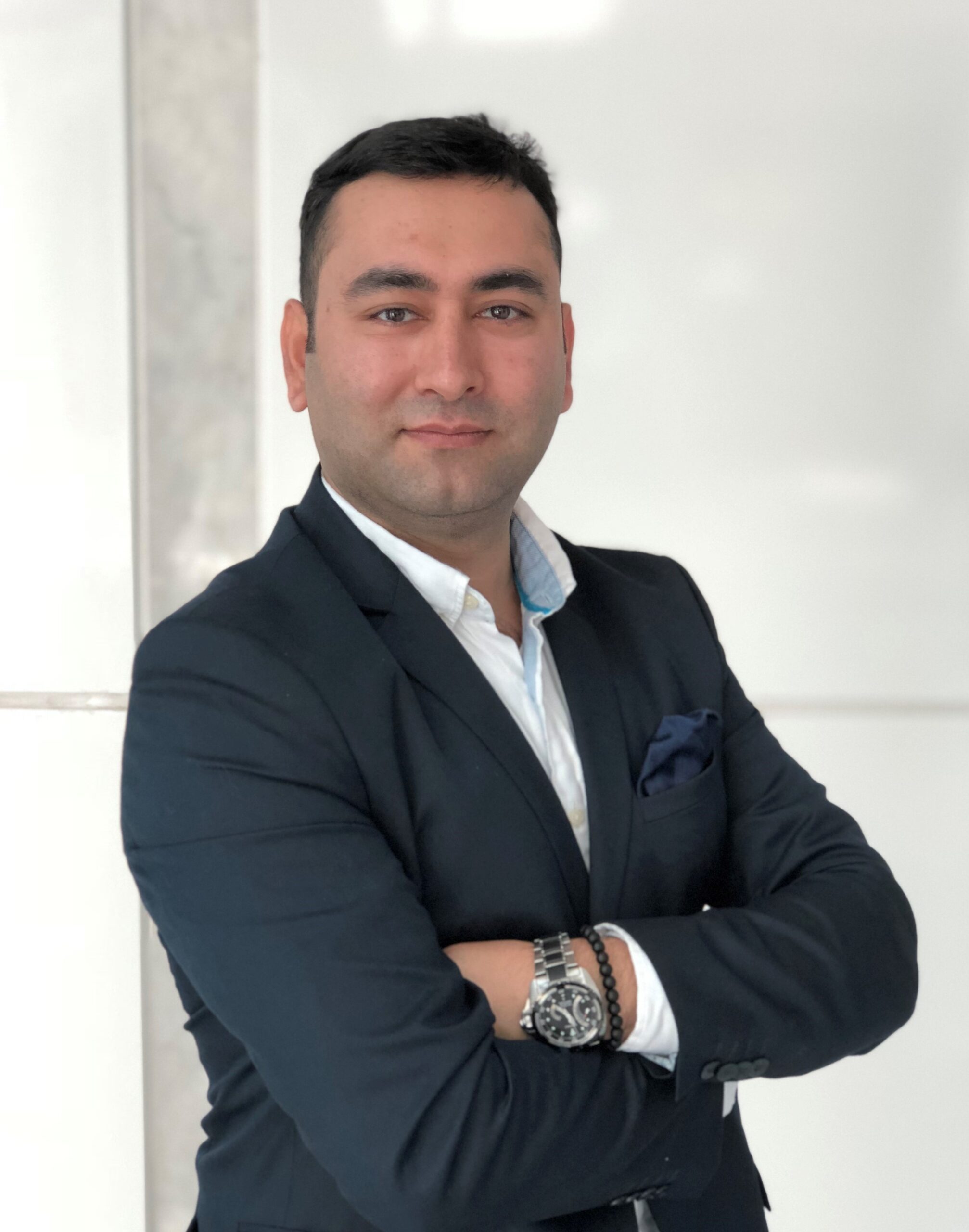
Mr. Ozan Demir,
Operations & Research Director at REIDIN, noted that Dubai recorded AED 137.3 billion in residential sales across 45,221 transactions in Q1 2026. Apartment prices reached AED 1,871 per sq ft, while villas averaged AED 2,376 per sq ft, alongside the entry of nearly 30,000 first-time investors. He emphasized that Dubai’s market historically rebounds strongly after periods of uncertainty, with such moments often presenting the most compelling investment entry points.
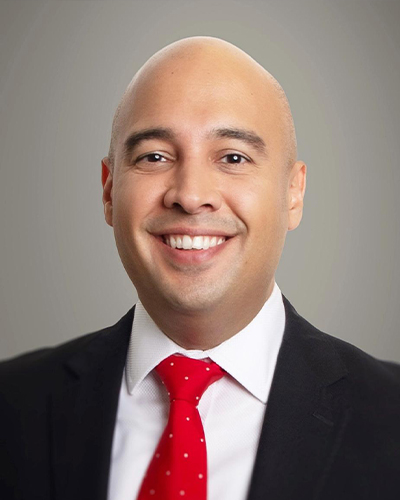
Mr.Faisal Durrani,
Partner and Head of Research for MENA at Knight Frank, observed that while geopolitical developments may test confidence levels, the UAE’s fundamental strengths remain intact. These include world-class infrastructure, global connectivity, a pro-business environment, and a high standard of living. He added that while some institutional investors may temporarily adopt a cautious approach, this is more likely to delay investment decisions rather than diminish long-term capital allocation.
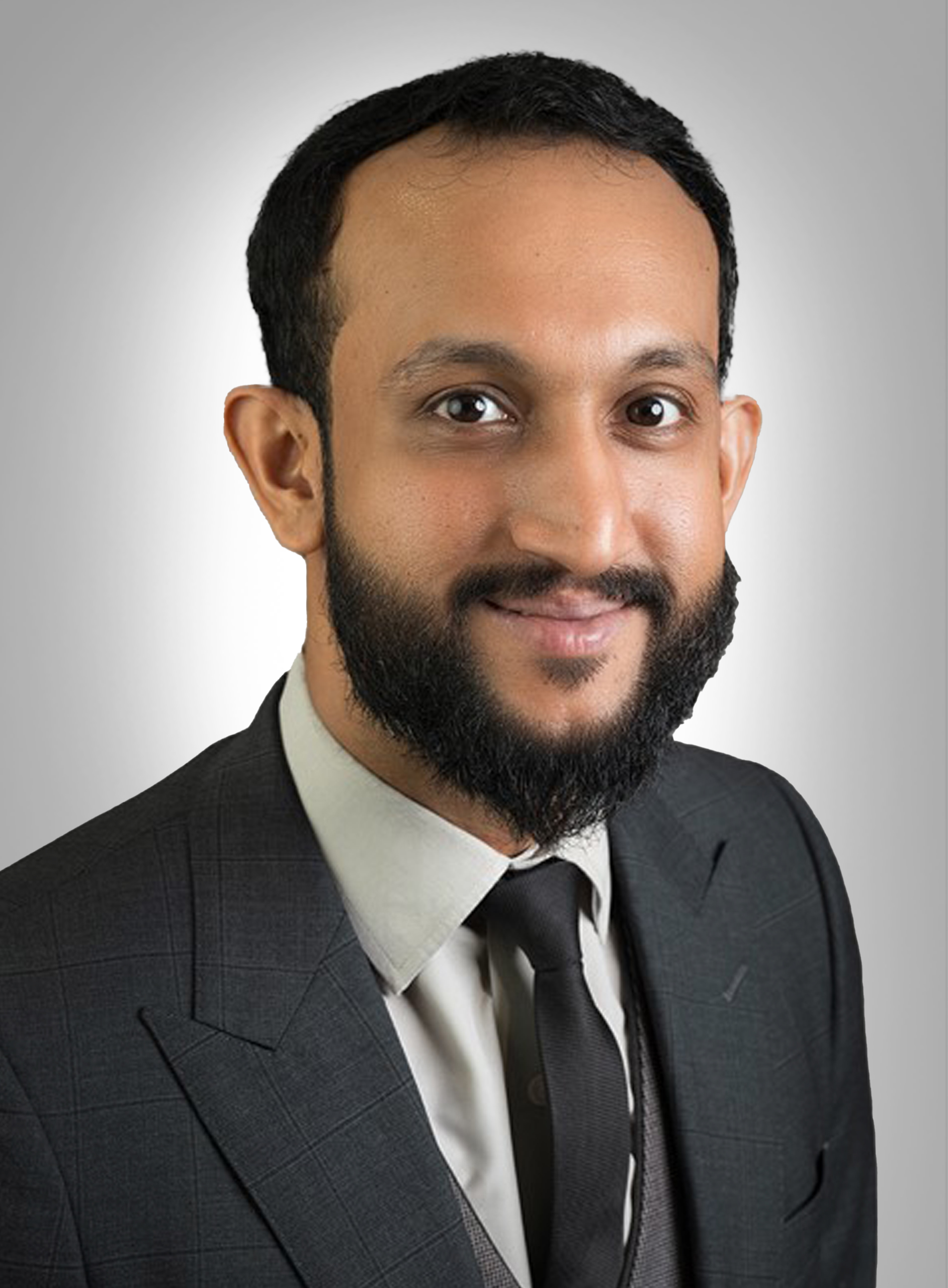
Mr. Ali Siddiqui
Research Manager at Cavendish Maxwell, reported 44,200 residential transactions in Q1 2026 an increase of 4.6% year-on-year with total values reaching AED 139.1 billion, up 21.5%. Off-plan sales dominated at 73% of transactions. He cautioned against directly attributing short-term fluctuations to geopolitical factors, noting that real estate operates on longer cycles and that any near-term slowdown would likely reflect postponed, rather than lost, demand.
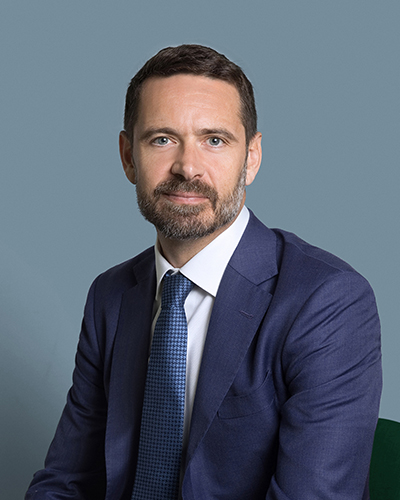
Mr. Matthew Green
Head of Research at CBRE MENA, highlighted that despite regional tensions and a downward revision of GDP growth forecasts, the UAE real estate market continues to demonstrate structural resilience. Office markets in Dubai and Abu Dhabi remain undersupplied, supporting rental growth and high occupancy levels, while the residential sector is transitioning toward a more balanced phase following an exceptional growth cycle.
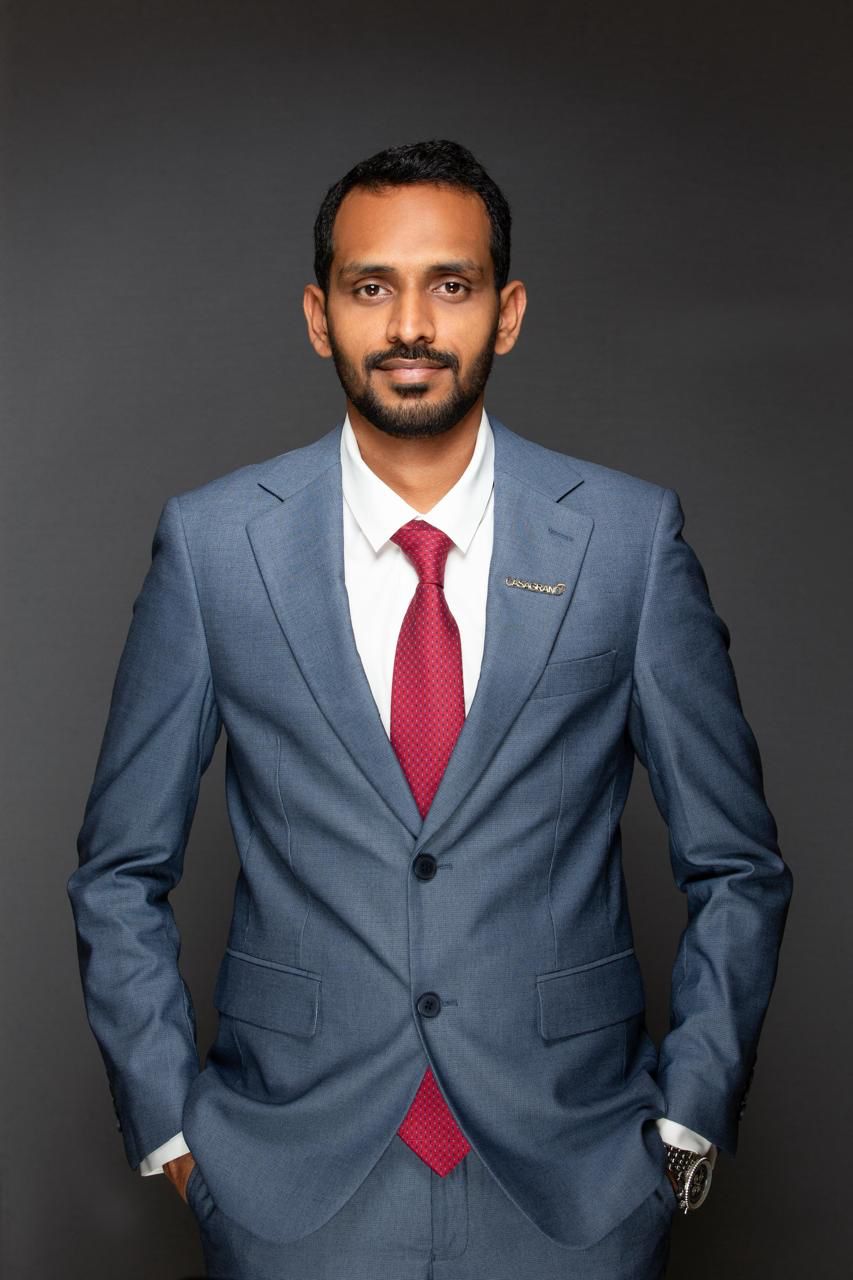
Mr. Luthfullah K,
Director at Casagrand, reaffirmed that the UAE property market remains a benchmark for stability and opportunity. He pointed to increasing bulk transactions and multi-unit acquisitions by international investors as evidence of a shift toward long-term capital deployment. Dubai’s consistent policy direction, transparent regulation, and sustained economic momentum continue to underpin its appeal as a leading global real estate investment destination.
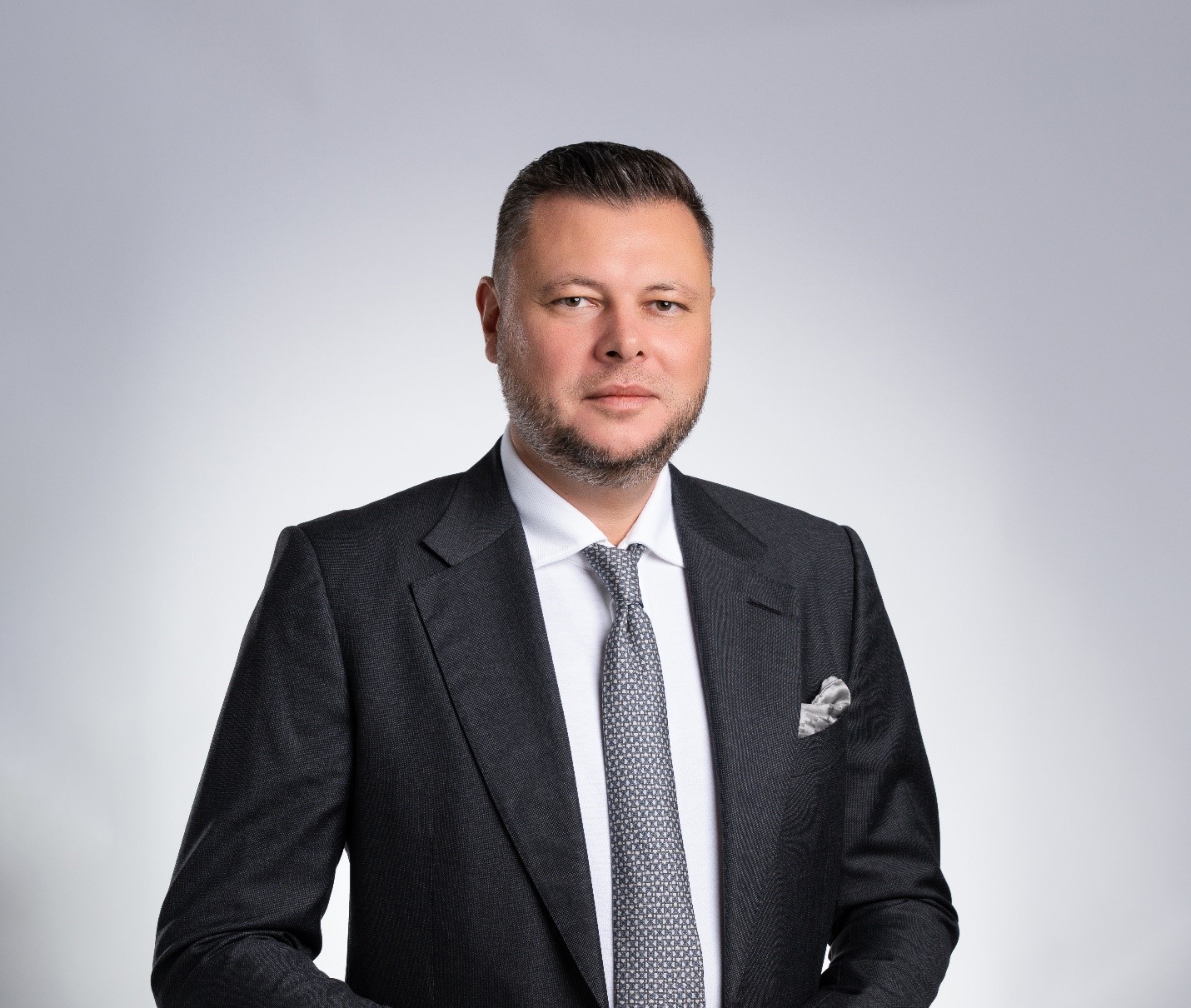
Mr. Dmitriy Starovoitov
Founder, Almal Real Estate Development, In real estate, uncertainty is often where opportunity is created. The UAE market has consistently demonstrated that periods of recalibration are followed by strong, fundamentals-led recoveries. Today, that cycle is clearly visible again, particularly in Ras Al Khaimah, where longterm government vision, infrastructure investment, and landmark hospitality developments such as Wynn on Al Marjan Island are reshaping global perception.From our perspective, disciplined execution is what sustains confidence in such environments. At The Unexpected Al Marjan Island Hotel & Residences, now 23% complete and progressing steadily, we see this as a reflection of broader market strength, where delivery momentum, investor trust, and structural demand continue to define compelling entry points for local and global investors