Strategic capital now drives 40% of Dubai’s real estate investment, replacing 2014’s speculation-led market
Dubai reached its previous market peak in September 2014. A decade later, prices have not only recovered but surpassed those...

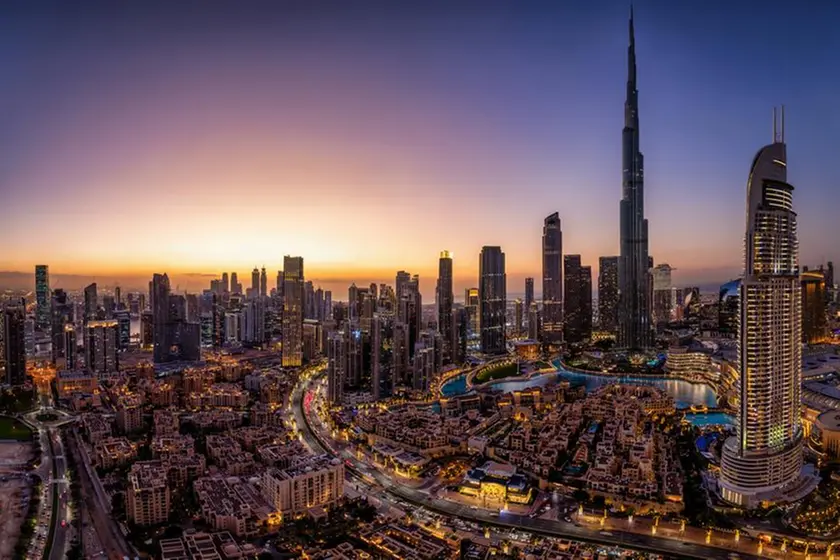
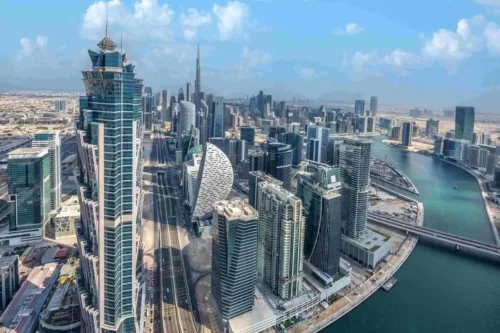
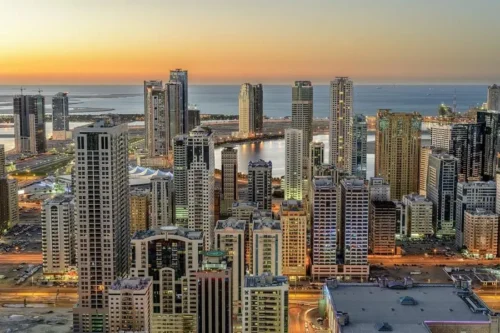
Dubai closed 2025 with record real estate transactions and steady price growth, pointing to a market working at scale rather than reacting to short term swings. Activity stayed consistent across the year, shaped by end user demand and longer-term capital, with new supply being purchased without price discounts.
A report published by Dubai Land Department stated that Dubai’s real estate sector achieved its strongest performance to date in 2025, with over 270,000 transactions worth AED917 billion, up 20% year on year. Backed by clear regulations, disciplined market practices, and a long-term investment approach, the market has moved from rapid growth to sustainable leadership.
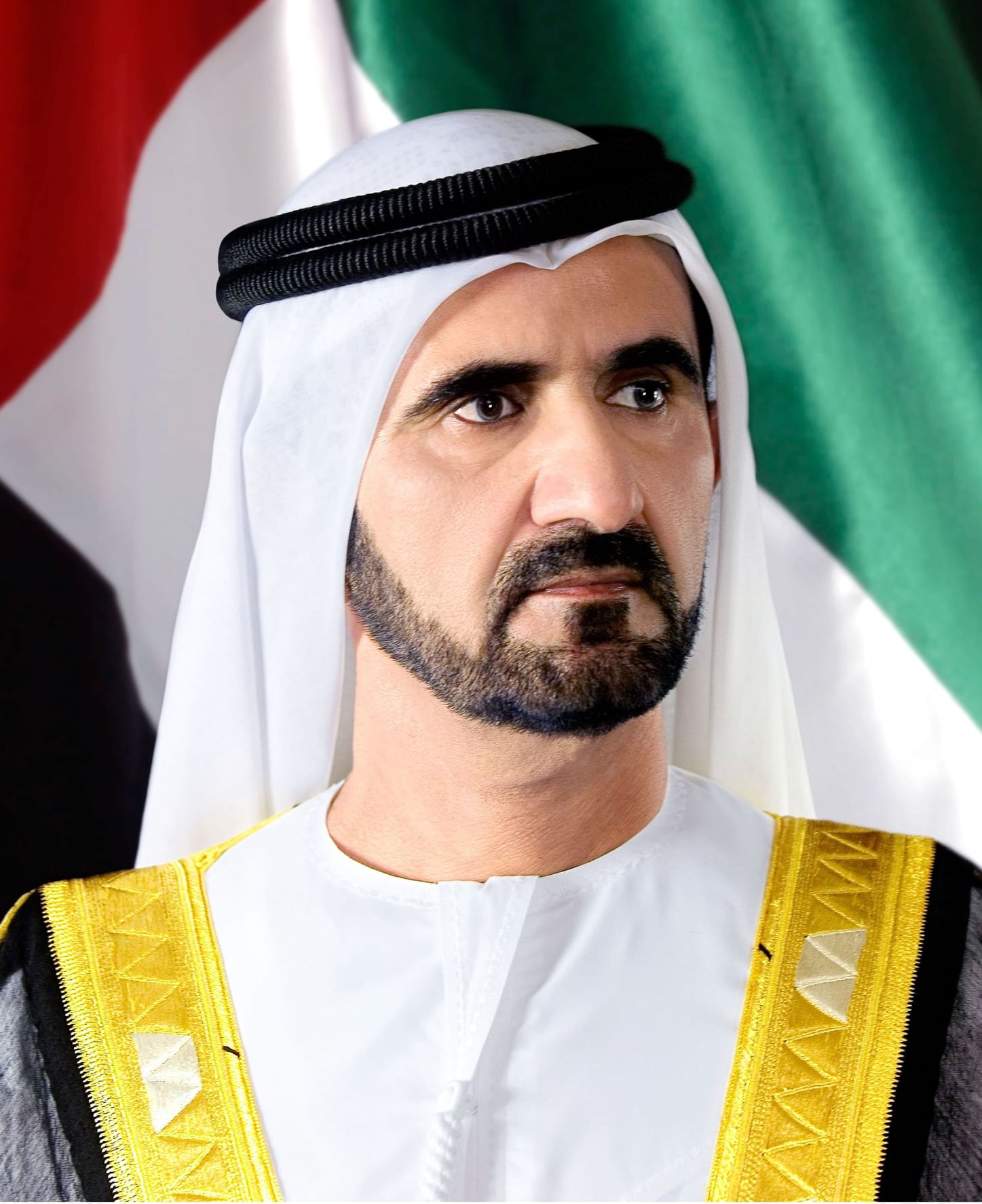
On this occasion, His Highness Sheikh Mohammed bin Rashid Al Maktoum, Vice President, Prime Minister, and Ruler of Dubai, commended the collective efforts that contributed to the real estate sector’s strong performance in 2025, noting that these efforts have guided the market into a more advanced and mature phase, capable of converting investor confidence into stable and sustainable value.
H.H. Sheikh Mohammed also highlighted that the record results reflect trust in Dubai’s vision, the resilience of its economy, and the clarity of its development path, underscoring the importance of careful planning, transparent regulations, and a balanced approach that supports progress while maintaining quality of life.
Sheikh Mohammed further emphasised the strategic role of the real estate sector in Dubai’s diversified economy, noting that innovation continues to guide the sector with a focus on human interest and the pursuit of a prosperous future.
This record performance reflects the visionary leadership of H.H. Sheikh Mohammed bin Rashid Al Maktoum, and the continued guidance of H.H. Sheikh Hamdan bin Mohammed bin Rashid Al Maktoum, Crown Prince of Dubai, Deputy Prime Minister and Minister of Defence, and Chairman of The Executive Council of Dubai, and H.H. Sheikh Maktoum bin Mohammed bin Rashid Al Maktoum, First Deputy Ruler of Dubai, Deputy Prime Minister, Minister of Finance. Their forward-looking policies and advanced regulations have positioned Dubai as a global model in economic planning and sustainable growth.
The results also confirm that Dubai’s real estate market is steadily progressing toward achieving the objectives of the Dubai Real Estate Sector Strategy 2033, which seeks to raise transaction volume by 70% to reach AED1 trillion. This growth aligns with the Dubai Economic Agenda D33, which aims to double the economy and strengthen Dubai’s position among the world’s leading economic cities.
In 2025, Dubai’s real estate sector saw strong activity, with 3.11 million transactions, including sales, leases, and all real estate services, up 7% from 2024. This highlights growing demand, a larger base of participants, and the sector’s key role in the economy.
Real estate investments in 2025 exceeded AED680 billion across 258.6 thousand deals, up 29% in value and 20% in number. The investor base continued to expand, reaching around 193.1 thousand, an increase of 24%, including 129.6 thousand new investors, representing 23% growth. Resident investors accounted for 56.6% of the total.
Women strengthened their presence in the real estate market, investing AED154 billion through 76.7 thousand deals, with growth of 31% in value and 24% in number, reflecting a more inclusive investment landscape. Luxury property investments reached AED3.98 billion, up 5%, while the average period for a renter to become an investor was 4.8 years, highlighting the increasing attractiveness of property ownership in Dubai.
The market saw notable activity in property sales and mortgages across key areas. In terms of the number of real estate transactions, the top 10 areas were, respectively: Al Barsha South Fourth, Business Bay, Wadi Al Safa 5, Dubai Airport City, Dubai Marina, Jebel Ali First, Al Yelayiss 1, Wadi Al Safa 3, Dubai Investment Park Second, and Al Thanyah Fifth.
In terms of the value of transactions, the top-performing areas were: Business Bay, Dubai Marina, Palm Jumeirah, Burj Khalifa, Al Barsha South Fourth, Mohammed Bin Rashid Gardens, Dubai Airport City, Wadi Al Safa 5, Wadi Al Safa 3, and Al Yelayiss 1.
In terms of the number of mortgage transactions, the top 10 areas were Al Barsha South Fourth, Dubai Marina, Jebel Ali First, Wadi Al Safa 5, Burj Khalifa, Al Thanyah Fifth, Business Bay, Madinat Hind 4, Al Merkadh, and Al Hebiah Fourth.
As for the value of mortgage transactions, Palm Jumeirah, Dubai Marina, Business Bay, Al Barsha South Fourth, Burj Khalifa, Al Wasl, Mohammed Bin Rashid Gardens, Al Thanyah Fifth, Jebel Ali First, and Al Thanyah Fourth ranked among the top 10 areas. This performance reflects the diversity of investment opportunities and the balanced geographical growth across the emirate.
Omar Hamad Bu Shehab, Director General of Dubai Land Department, said that Dubai’s real estate sector delivered strong results in 2025, reflecting a more mature and sustainable market underpinned by transparency, governance, and data-driven policies. He added that this performance aligns with the Dubai Economic Agenda D33 and the Dubai Real Estate Sector Strategy 2033, supported by legislation, digital transformation, and close collaboration with developers, brokers, and other stakeholders.
Omar Bu Shehab noted that these outcomes highlight the impact of ongoing efforts to streamline procedures, improve services, and enhance investor confidence, further strengthening Dubai’s position as a premier destination for long-term real estate investment.
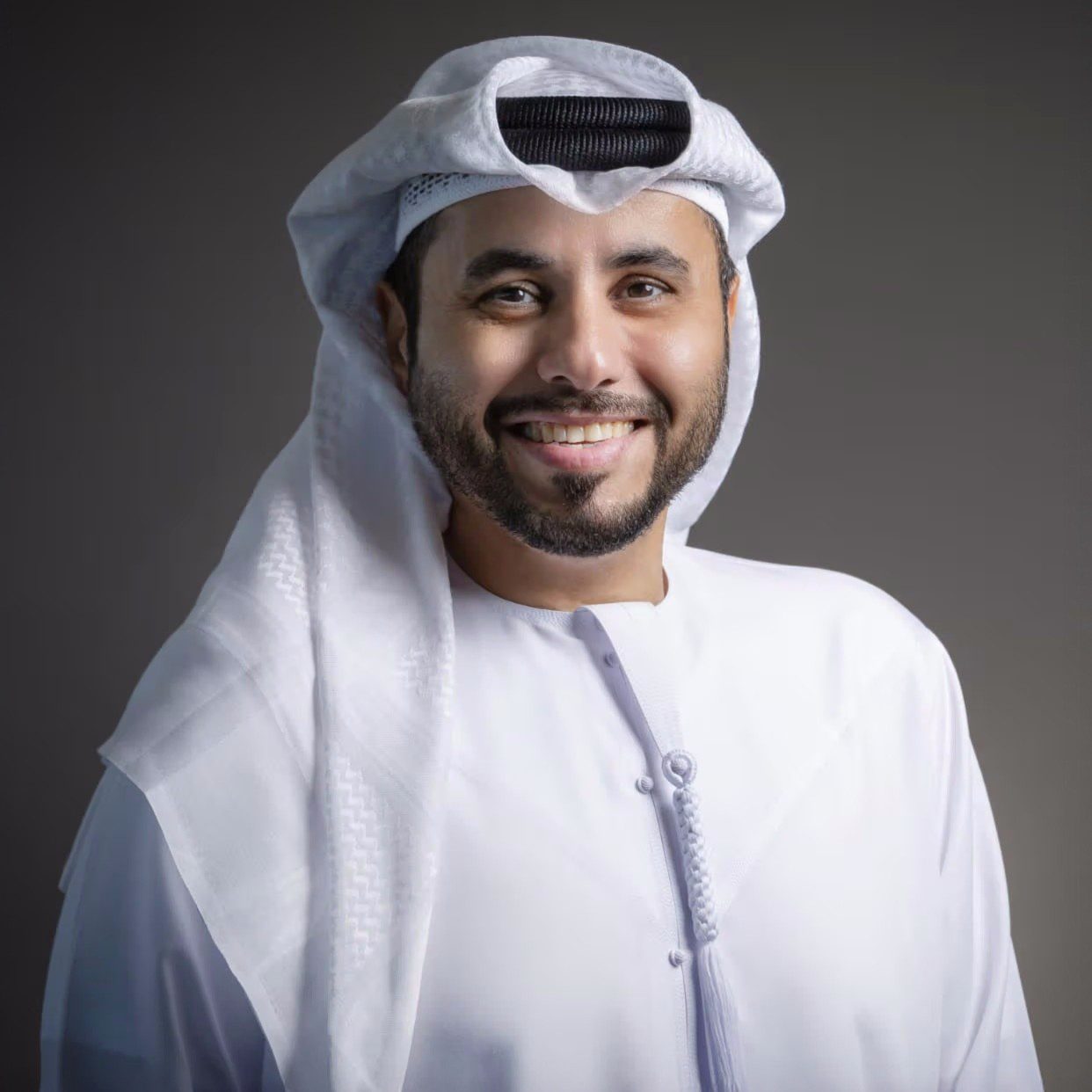

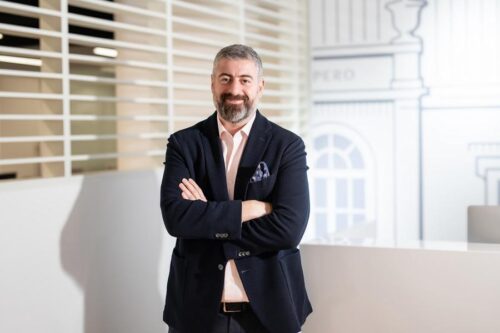
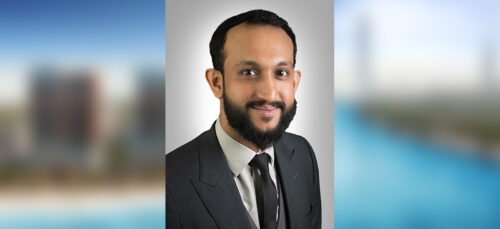
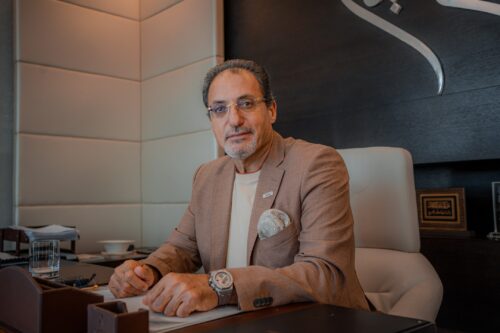
Mr Farhad Azizi, Group CEO of Azizi Group commented : “Azizi Developments has benefited directly from Dubai’s sustained growth, underpinned by clear leadership, strong regulation, and long-term planning. The scale of the market’s performance reflects a real estate sector that has matured into a more disciplined and stable era, where investor confidence is driven by transparency, consistency, and the ability to deliver at scale. As developers, our role is to support this stability responsibly through projects that serve the city and its communities over the long term, while creating sustainable value and lasting relevance.”
Dubai’s real estate growth in 2025 was shaped by a combination of structural factors, policy initiatives, and sustained confidence, with the key drivers outlined below:
Dubai’s population reached around 4 million in 2025, up from 3.3 million in 2020, expanding the buyer base for both first homes and investment properties. This growth being largely employment led meant more residents with stable incomes and longer-term plans, translating into higher conversion from renting to buying.
Initiatives such as the Golden Visa programme have shifted investor behaviour by offering long-term residency to qualifying property owners, executives and professionals. By tying property ownership to residency, Dubai has encouraged purchasers to transition from short-term trading to longer-term holding strategies.
Regulatory initiatives led by RERA to digitise property transactions, including digital registration, electronic title deeds, and early-stage tokenisation frameworks, reduced execution time and nudging transactions.
Dubai’s living standards, healthcare, education, and connectivity encouraged residents to commit to longer stays and eventually into home ownership.
Long term frameworks such as the Dubai Urban Master Plan 2040 and the Economic Agenda D33 have reinforced confidence in the emirate’s economic trajectory. By signalling sustained growth, diversification, and continued public investment, these strategies have strengthened buyer belief in Dubai’s long-term stability,
Dubai’s current planning framework builds on the groundwork laid by the Dubai 2020 Master Plan, which shaped a decade of city building at scale. That period was about putting the fundamentals in place: transport networks, new residential districts, and the physical footprint needed for Dubai to operate as a global business and tourism center.The Dubai Urban Master Plan 2040 follows naturally from that phase, but with a clear shift in emphasis. With much of the core infrastructure already established, the focus moves to how the city functions day to day. Higher density, more efficient use of land, and better living environments become central as Dubai prepares to support a population increase from 3.3 million in 2020 to an estimated 5.8 million by 2040.
The change in emphasis is reflected in five key planning priorities:
Green asset protection: Natural areas, coastal zones, and ecological reserves will be formally protected, while new development will be steered away from environmentally sensitive land.
The change in emphasis is reflected in five key planning priorities:
Green asset protection: Natural areas, coastal zones, and ecological reserves will be formally protected, while new development will be steered away from environmentally sensitive land.
By setting out growth corridors and infrastructure priorities well in advance, Vision 2040 provides clear visibility on where future demand is likely to form. This allows capital to gravitate toward transit connected areas, planned communities, and submarkets that are aligned with long term population growth and economic activity, rather than relying on short term market signals.
The Economic Agenda D33 is Dubai’s strategic initiative to double the size of its economy by 2033 and position the emirate among the top three cities in the world for living, working and investing. D33 aims to achieve this through a focused set of priorities:
While D33 does not regulate real estate directly, its economic priorities underpin the employment, population growth, and business activity that ultimately drive property transactions.
As Dubai enters 2026, the real estate sector is positioned to maintain momentum rooted in strong fundamentals, clear policy direction, and infrastructure-enabled development patterns. With Vision 2040 and D33 guiding long-term growth, investors benefit from a market that is both dynamic and predictable – an attractive proposition in a world of economic uncertainty.In 2025, Dubai did not merely break records; it reaffirmed the structural strength of its property market and underscored the efficacy of its strategic vision. For investors, that translates into confidence in both near-term performance and long-term capital growth.

Developers News Magazine (DNM) is a news website and monthly online digital magazine that focusses on news related to developers and off-plan projects including new project launches, project updates, market insights, as well as on-going reports and statistics.
© 2026 Developers News UAE. All rights reserved.